
Apple TV’s new genre-blending, horror-comedy, “Widow’s Bay,” has taken the summer by coastal storm. With 19 Emmy nominations and an ensemble cast led by the prolific Matthew Rhys — he’s the first lead actor to score double Emmy nominations in decades as he’s also nominated for Leading Actor in a Limited or Anthology Series or Movie for his role in “The Beast in Me” — “Widow’s Bay” has its hooks in viewers, and it refuses to let go.
If you’re already missing the imaginary Maine island of this first season, there are many other islands to lose yourself to this summer. Whether you’re craving the mythic lore of the sea, the monstrous historical tropes of the island’s 300-year history or the thrill of it all as you cackled and held your breath, Maine continues to swell in the imaginations of writers across genres and psyches in every realm.
For historical fiction, visit Apple Island: ‘This Other Eden’ by Paul Harding
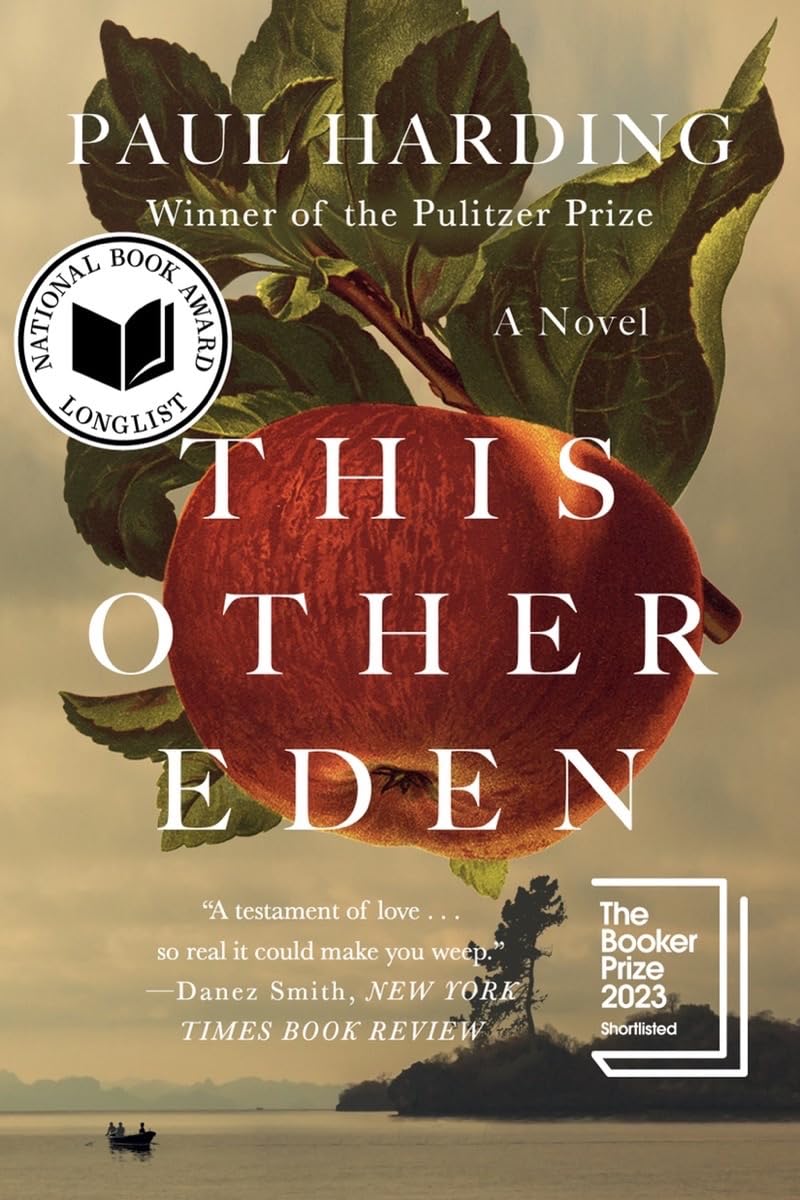
For viewers compelled by the narrative haunting of “Widow’s Bay” — in the paintings, its history museum, and its flashbacks — the Pulitzer Prize Winning author of “Tinkers,” Paul Harding brings readers to an imagined island in his third novel, “This Other Eden.” Dubbed Apple Island, this place, like Widow’s Bay, isn’t what it seems. The novel presents readers with a fictionalized version of Maine’s Malaga Island — a small place that was home to an interracial fishing community from the Civil War era until 1912, when residents were forcibly removed because of eugenics. The novel opens when the “Governor’s Council” arrives at the shore in 1912. How to memorialize a past like this? Could Eden have been unremarkable? Harding’s spellbinding reckoning ebbs and flows from his fictional coast to the shores of the very near/real past.
For a contemporary Victorian novel, visit Crockett’s Island: ‘The Guest Book’ by Sarah Blake
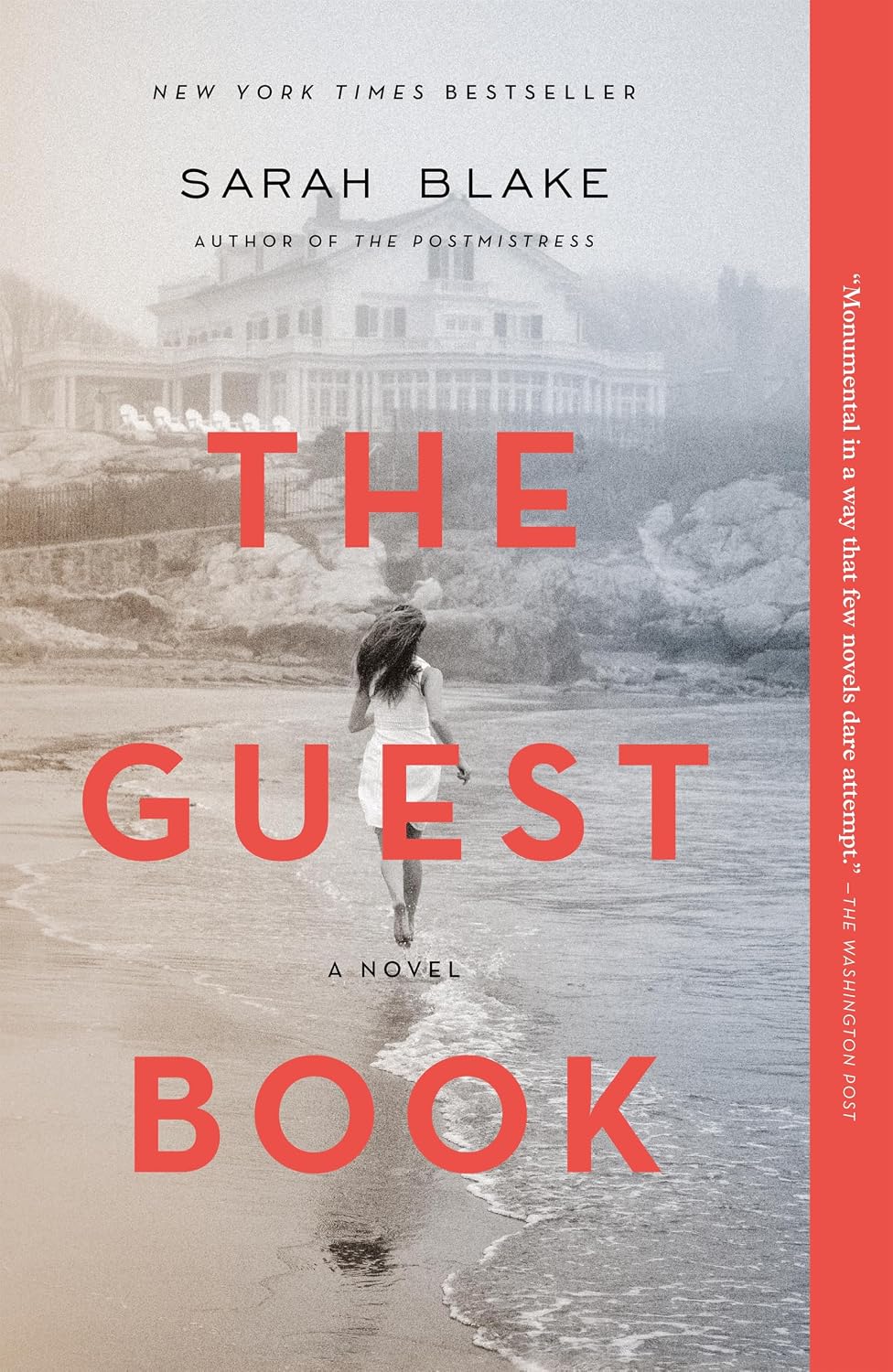
In New York in 1935, the Great Depression was hurting everyone. Everyone except the Miltons, whose old money hushed them into the rarified air of a life on the Upper East Side. When Kitty Milton opens a window to bring fresh air into her apartment, neither she nor her family can predict that one of her sons will drop the other’s teddy bear, leading the younger one to follow right out the window for fourteen stories. Kitty’s husband, Ogden, buys her a private island off the coast of Maine where their family can summer — and send their secrets out to sea — for generations to come. Like “Widow’s Bay,” Blake’s take braids together histories and their secrets across various tragedies and omissions. How will the Miltons face their privileges and tragedies as time passes and the terms of the world change?
For gothic enthusiasts, visit Birdlane Island: ‘Birdlane Island’ by V.C. Andrews
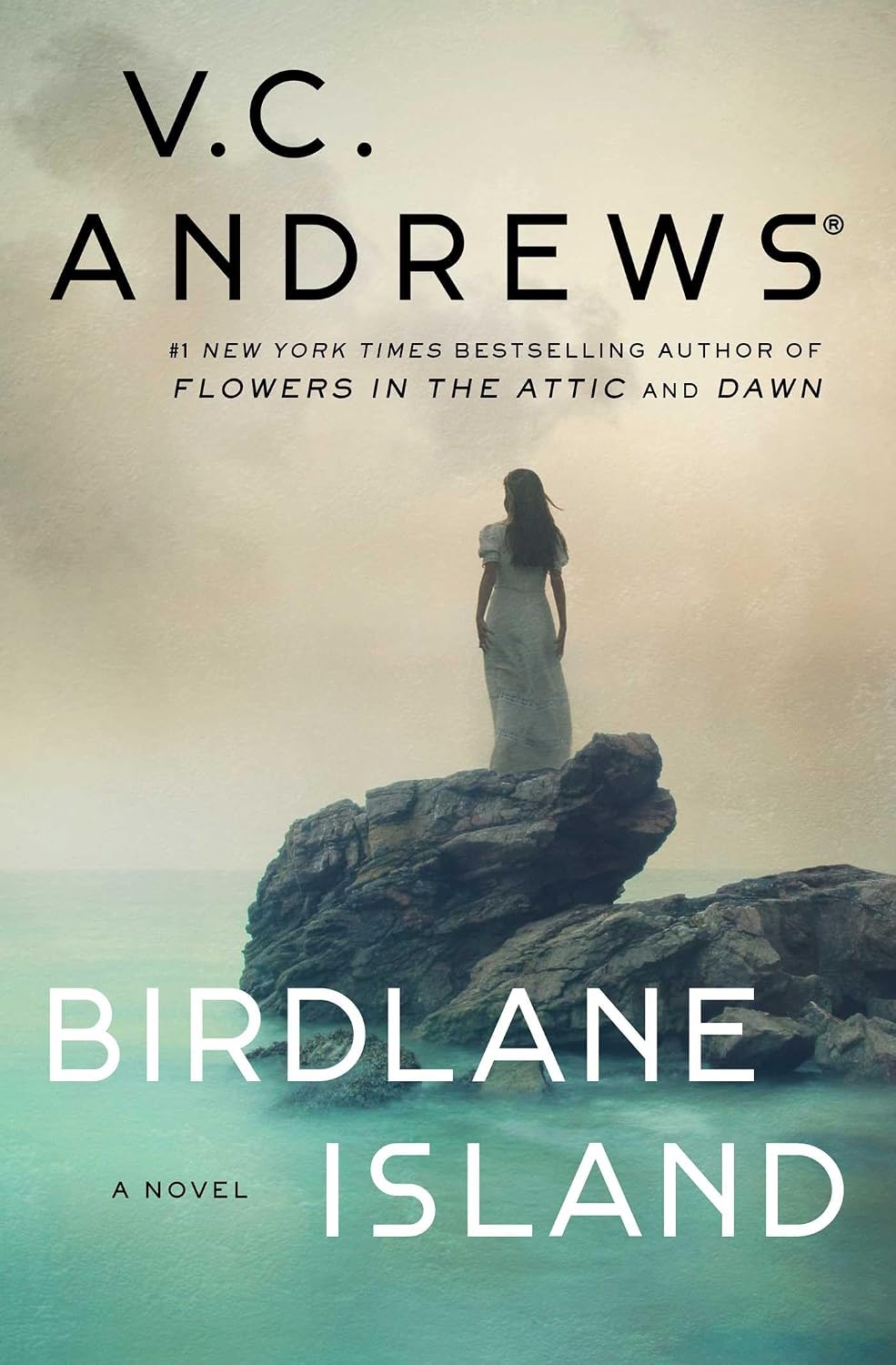
As with the town of Widow’s Bay, Andrews’ protagonist, Jason Lorraine and his daughter, Lisa, live on Birdlane Island — an island shaped like a seagull in flight — largely cut off from the mainland. And like “Widow’s Bay,” we come to find more than one ghost haunting this story. To start with, V.C. Andrews, the American novelist who wrote “Flowers in the Attic” among many other books, died in 1986. Her ghostwriter, Andrew Neiderman, is the sole writer of all works after 1988 — ghost among us indeed. This novel was born of one of Andrews’ unfinished manuscripts, “The Obsessed.” Jason and his daughter live a small life because he — like Mayor Tom Loftis (Matthew Rhys) in “Widow’s Bay” — is a widower. As Lisa’s health is unstable, Jason’s restrictions on her prevent her from seeking connections — romantic and otherwise. Shrouded in mist and mystery, the gothic pull of Birdlane Island keeps the horizon to itself.
For literary fiction, visit an enigmatic island: ‘Discipline’ by Larissa Pham
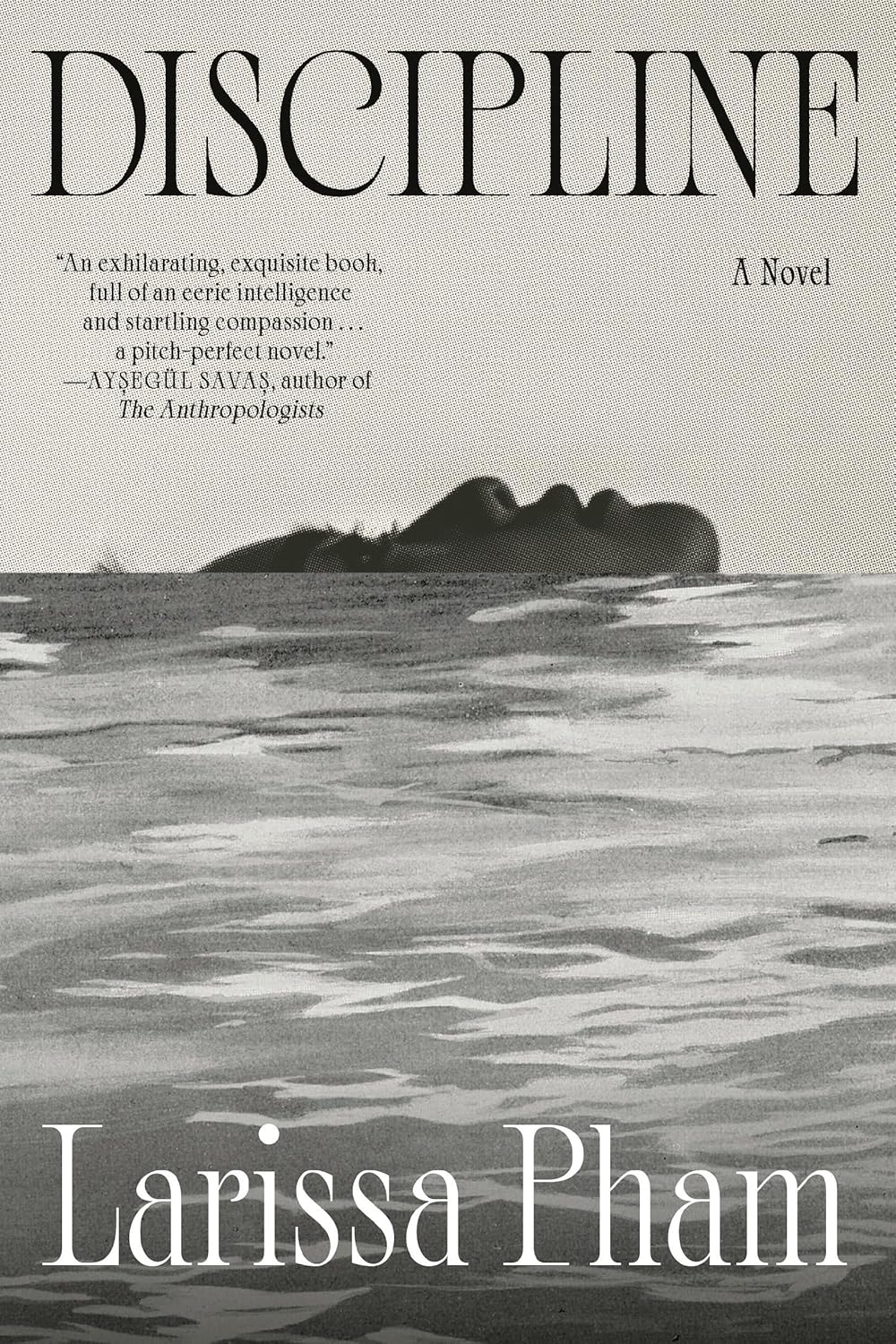
In Larissa Pham’s debut novel, “Discipline,” we meet Christine — an artist who’s left her talents on canvas for the writing life. The novel’s first movement takes us into the world of Christine’s book tour. We learn that her novel is a kind of bildungsroman-meets-roman-a-clef — a main character who, like Christine, was seduced and discarded by a professor while in art school. In Christine’s book, the protagonist seeks revenge. And when her abuser, Richard, resurfaces with an eerie message — that’s not how I remember it — Christine heads to the remote island off the coast of Maine where he’s retreated.
As Christine enters the realm of coastal fog, it’s impossible to separate her from the mythology of Stephen King’s “Christine” and the world and work of Marsden Hartley, the vertigo between agency and boundaries, a constant reckoning. Pham brings readers into the lures of danger — in the self and in the other — with exacting discipline.
For a heartfelt contemporary journey, visit Little Great Island: ‘Little Great Island’ by Kate Woodworth
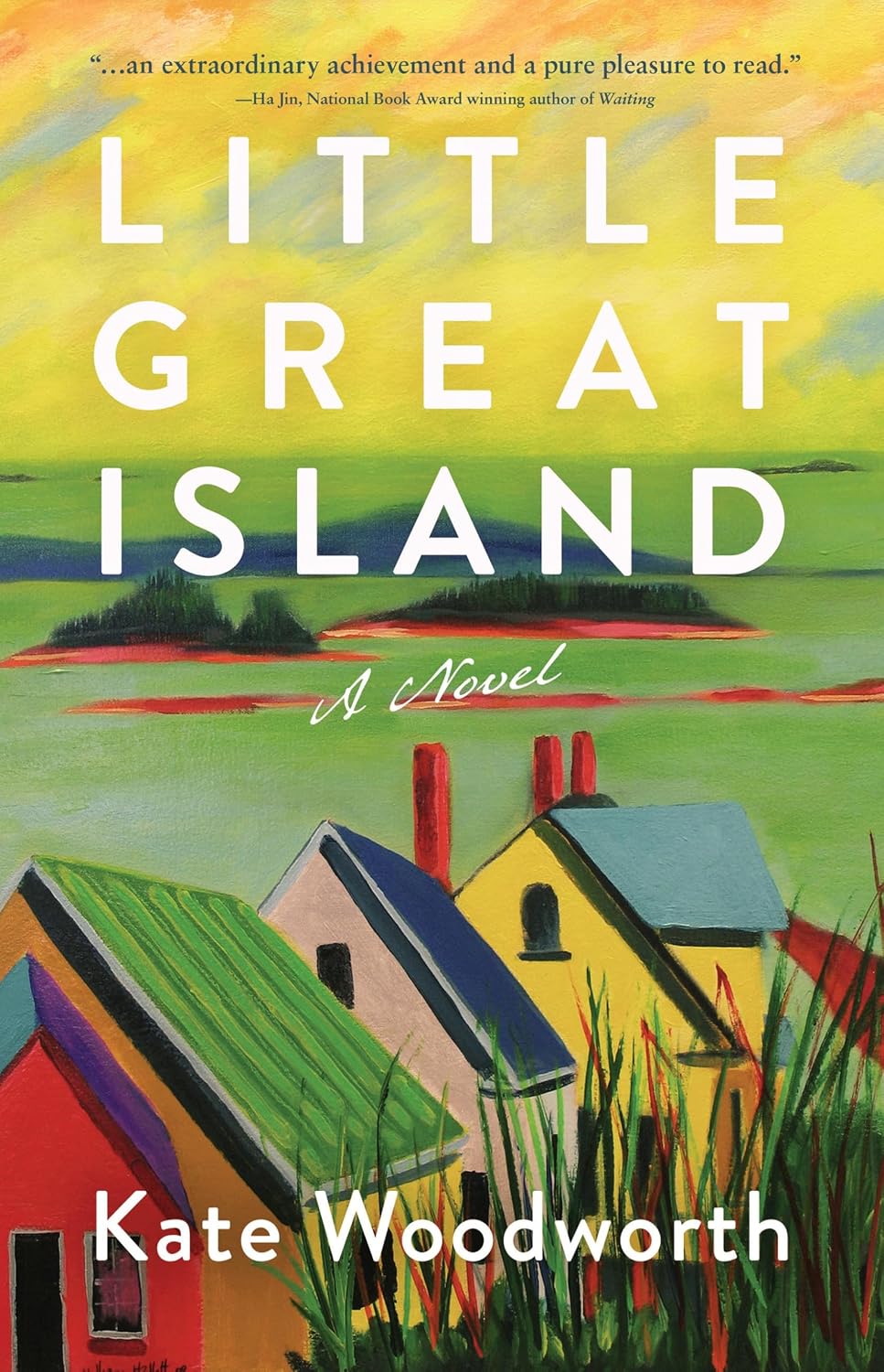
Where Widow’s Bay is a prison for its residents — especially those born on the island — Little Great Island becomes a respite for Mari McGavin and her six-year-old son, Levi. Having escaped the unrelenting hold of a religious cult, Mari returns to the island she promised herself she’d left forever. While this may seem like a plot from decades and centuries past, as with the founders of Widow’s Bay in 1702, Mari flees during the pandemic. How might economic and environmental crises burden the island and its secrets during this unstable time? As Woodworth’s characters collide with each other and the ecosystem, the island itself is a main character whose creatures and waters stand to help others transform.
For crime fiction, visit Liberty Island: ‘Everyone Knows But You’ by Thomas E. Ricks
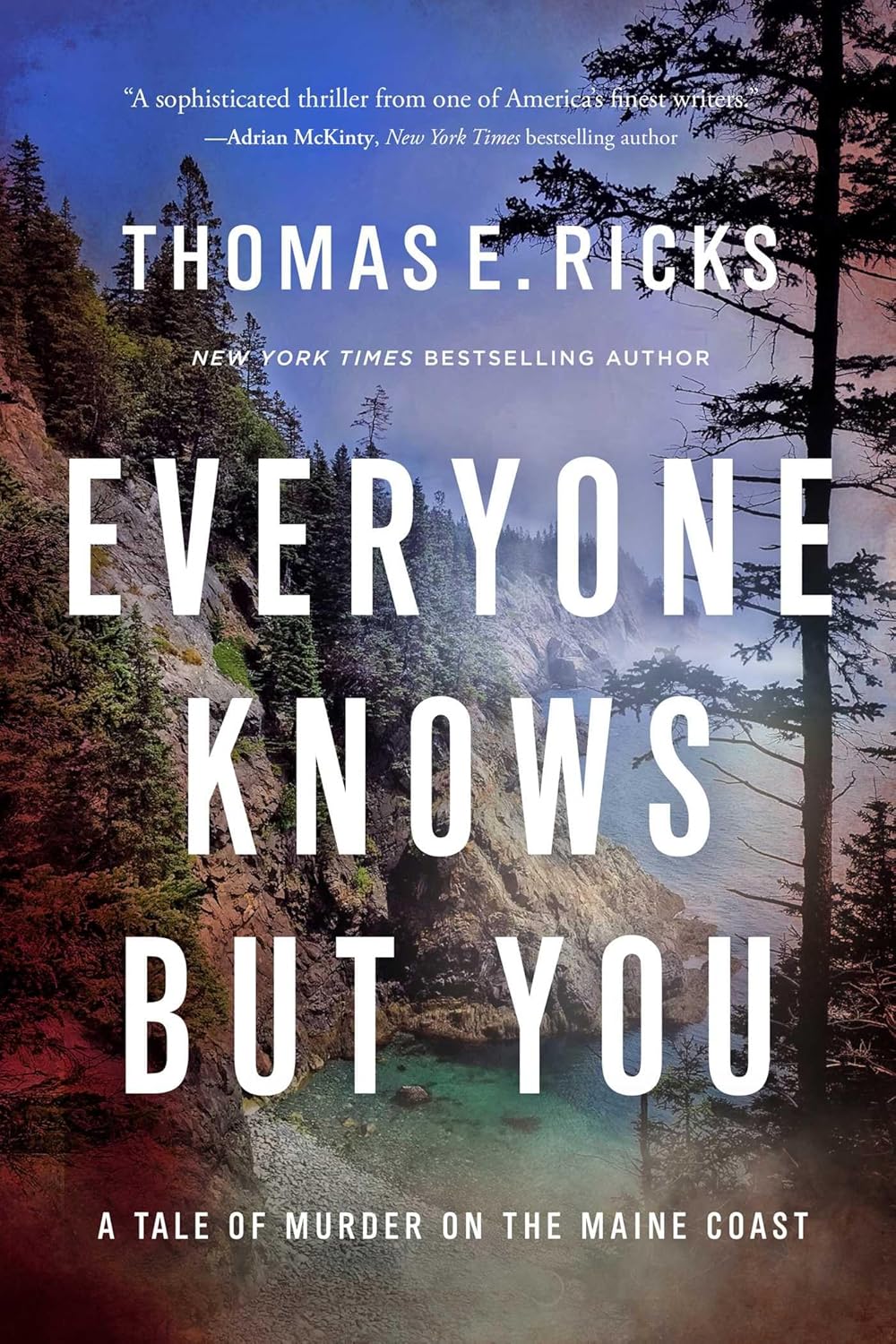
When the corpse of a fisherman washes up on federal land, FBI agent Ryan Tapia learns that the rules of Liberty Island are insular and sometimes lethal. Fans of Widow’s Bay’s sheriff, Bechir Clemmens, know that the higher the stakes feel, the more dire the consequences might become for all parties involved. Ryan enters the worlds of hard drugs and rare fish — and the harsher codes and rites of Liberty Island. As on Widow’s Bay, these characters are no strangers to tragedy. From the history of a member of the Malpanese Tribe living on the island to Ryan’s own personal history having lost his wife and son in an accident, the coast braids an FBI procedural with noir, grief and lyricism
For a thriller, visit Little North Island: ‘Murder Will Out; by Jennifer K. Breedlove
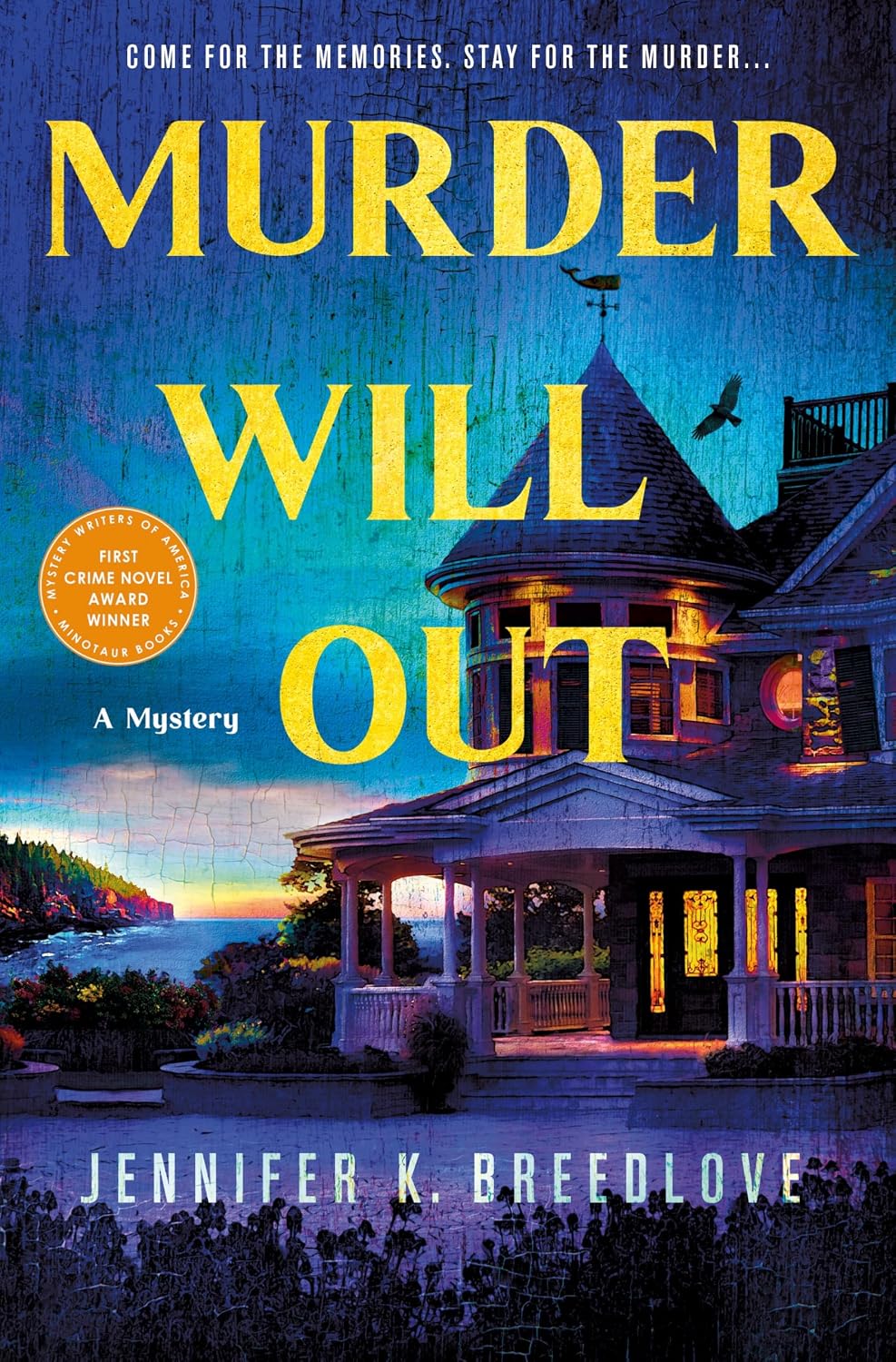
Letters from the past and the dead play a significant role in “Widow’s Bay.” They reveal all kinds of historic and narrative information from various turning points in the island’s monstrous 300 year history. For Willow Stone, a mysterious letter regarding the death of her grandmother sends her to the imaginary Maine island, Little North. Willow’s arrival disrupts the order — of death rites and of the island — as she learns her grandmother was to inherit the sprawling estate, Cameron House. It will be up to Willow to find out if her grandmother’s death was an accident or something far more sinister.
Lisa Hiton is a writer living in Brooklyn, N.Y. She is the author of the poetry collection “Afterfeast,” and her work has been featured or is forthcoming in the Kenyon Review, The Slowdown, NPR, New South and elsewhere.