
Anthony Ella has worked security at SeaWorld for about a decade, typically working night shifts, where his greatest responsibility is keeping tabs on the aquatic park’s animals.
During the day, security guards screen visitors to the world-renowned park, which is perhaps most well known for its up-close animal interactions and shows. Security guards handle domestic disputes, help lost kids find their parents and help SeaWorld’s contractors get through secure areas of the park accessible only by a security key.
At night, though, Ella said that security guards are the only staff at SeaWorld who are checking in on the park’s beloved captive animals, including some of the more dangerous creatures.
“You’d be the one person there with killer whales. No trainer in sight,” said Ella, who is using a pseudonym to protect his identity due to fear of retaliation for speaking up. “To me, that’s like, hazardous.”
As a former member of the U.S. Army and a combat veteran, Ella knows safety hazards. He told Orlando Weekly he served during the U.S.-Iraq War and was deployed to dangerous conditions overseas. A security job afterward felt like a good fit. “I can see things that people don’t see,” he said. “I just have the spirit to take care of people.”
But at SeaWorld, the low pay for security guards — $16.50 an hour — makes it difficult for the company to recruit and retain trained officers. The last time guards received a raise was six years ago — a consolation prize provided by SeaWorld after the guards first attempted to unionize during the COVID-19 pandemic.
“They said, ‘Oh, we’re gonna treat you better. We’re gonna, you know, make your jobs safer, have better equipment,’” Ella recalled management telling them. “But since then, nothing.”
The stagnant pay and difficulty with retention, he said, has led to understaffing and has thereby increased safety risks not only for visitors to the park, but also for the guards themselves. “Our supervisor is getting strung out because we just don’t have enough bodies, and we’re worried that, you know, a mistake is going to happen.”
“We just don’t have enough bodies, and we’re worried that a mistake is going to happen.”
A security guard at SeaWorld who requested we use a pseudonym due to fear of retaliation
Michelle Smith, a fellow security guard, said guards who are forced to pick up the slack are “basically doing the job of two people, and you’re only getting paid one salary.” Smith is also using a pseudonym to protect her identity due to fear of retaliation.
Although firing, disciplining or otherwise retaliating against workers for advocating for better wages or working conditions is unlawful under the National Labor Relations Act, research has found that nearly one-third of employers involved in union drives do so anyway.
When SeaWorld security guards voted against forming a union in 2020, Smith said, it was in part because SeaWorld claimed that, if a union were involved, SeaWorld wouldn’t be able to give the guards a raise that management purportedly wanted to give them.
Withholding changes in wages during a union organizing campaign “that would have been made had the union not been on the scene” is also considered a violation of federal labor law, according to the National Labor Relations Board, “unless you make clear to employees that the change will occur whether or not they select the union.”
The guards, unsatisfied with their working conditions, again petitioned the federal labor board for an election to unionize with the Security, Police and Fire Professionals of America last year.
This second time, they were successful. They became the first group of workers in SeaWorld Orlando’s history to vote in favor of forming a union — but since then, Ella said the company has played hardball.
Related Stories

Guards similarly organized in 2020 but ultimately voted against unionization after SeaWorld laid off half the eligible voters
“They were upset, they started firing a lot of people, they brought in a whole different management,” he alleged. The popular Orlando park has gone through three security directors in the past six months alone, he added.
Orlando Weekly reached out to SeaWorld to seek responses to a list of allegations made by their guards, including safety concerns and allegedly unlawful firings of guards in retaliation for their organizing activity. Neither SeaWorld nor its parent company responded to the Weekly’s inquiry ahead of publication.
To the chagrin of guards like Smith and Ella, SeaWorld has also refused to negotiate a collective bargaining agreement with their union. The union filed an unfair labor practice complaint over the issue with the National Labor Relations Board last August, alleging bad-faith bargaining, but a union representative confirmed the case remains ongoing.
According to labor researchers, it can take years for unfair labor practice cases — essentially, allegations of violating federal labor law — to reach a resolution, giving employers ample time to delay contract talks and disintegrate the morale of union members in the meantime. Under the Trump administration, the Center for American Progress found that dismissals of such cases have surged.
Employers opposed to unionizing efforts have also been known to surreptitiously, if illegally persuade workers into decertifying their unions. Anti-union legal defense organizations such as the National Right to Work Legal Defense Foundation — funded in part by billionaires — also commonly offer assistance for workers to get rid of their unions.
Ella said he knows SeaWorld has the money to negotiate a union contract capable of offering security guards higher pay. SeaWorld is part of a booming tourism industry in Central Florida that generates tens of billions of dollars in economic impact in the region each year.
“I do my research,” he said. “SeaWorld has been giving stock buybacks, millions of dollars.”
Indeed, in 2025, United Parks & Resorts — SeaWorld’s parent company — announced $500 million in stock buybacks for its stockholders, citing a “strong balance sheet.”
SeaWorld’s parent company announced $500 million in stock buybacks for its stockholders in 2025.
United Parks & Resorts boasts a portfolio of 13 theme parks they own or license across the U.S. and Abu Dhabi, including SeaWorld, Busch Gardens, Discovery Cove, Aquatica and Adventure Island.
Maintenance divers at Discovery Cove, whose tasks include cleaning the park’s tanks and pools, also voted to unionize last year. They’ve similarly faced pushback from their employer and have filed complaints with the federal labor board, alleging bad-faith bargaining and unlawful discipline against pro-union workers.
“These workers deserve better,” said Mike Smith, an organizer with the International Union of Operating Engineers Local 30, the union that represents the divers.
SeaWorld Orlando itself has faced plenty of scrutiny over accusations of animal abuse, controversial attractions, alleged disability rights violations, and federal investigations into workplace injuries and the death of 40 year-old trainer Dawn Brancheau, who perished in 2010 after being dragged into a tank and battered by a massive male orca.
Related Stories
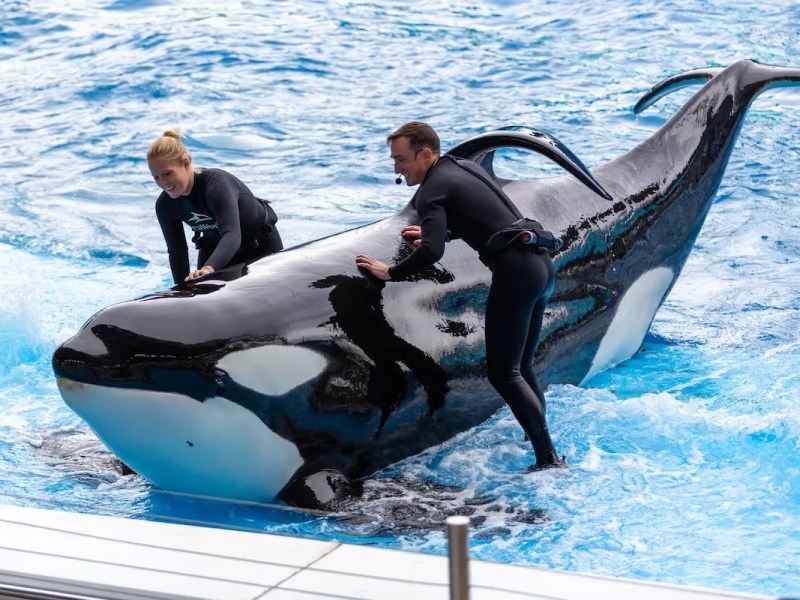
An OSHA investigation revealed the trainer was not properly protected while working with the whale
“It’s not a secret; everybody’s concerned about how SeaWorld treats the animals,” Ella noted. “But it’s like, no one cares about the actual people that work there.”
Both Smith and Ella said that some of their co-workers sleep in their cars or live in motels, because they can’t afford to live in the expensive Orlando metro, even working as guards at the park full-time.
A union representative for the Security, Police and Fire Professionals of America — which also represents security guards at Disney — told Orlando Weekly that the minimum pay for security guards there is $23 under their union contract.
“We have not been provided a decent living wage for all the work they’re piling up on top of us, and everything they expect from security,” said Smith. “We’re short-staffed, we’re overworked, we’re underpaid, and we have been for quite some time.”
SeaWorld’s refusal to negotiate with the union “is very hurtful,” she added. “And it shows that they don’t care about their co-workers. They just care about the bottom line.”
According to the SPFPA union rep — who requested their name not be included in our story — SeaWorld recently joined a host of other high-profile companies, such as Amazon and Trader Joe’s, that are claiming the nearly-century-old NLRB is unconstitutional.
All of these companies have faced or are currently facing complaints of violating federal labor law, including violations of workers’ right to organize a union. In Central Florida, a restaurant operator for Disney World, the Patina Group, also recently rejected orders from the NLRB to rehire an unlawfully fired worker by disputing the labor board’s constitutionality.
Ella believes SeaWorld’s lack of interest in negotiation is meant to deter other workers at the park from organizing a union for themselves. “They’re scared, in a way, because they’re afraid that the security and the divers spoke up, and afraid that other people in the park will take notice and they will speak up, too.”
While much of the full-time workforce at Disney World has been unionized for decades, other major theme park operators in Central Florida, such as SeaWorld and Universal Orlando, have remained union-free, despite past attempts by groups of workers to disrupt this.
“The security department — the men and women in that department — they work hard,” said Smith. “They do the best job they can.”
“We have radios that are breaking down. We have old golf carts that are as old as the park that we’re dealing with. We work hard and we do the best job we can do, and we deserve to have support, and we deserve to have a living wage,” she argued. “When you have people that are homeless and working full time, that’s a problem.”

Related Stories
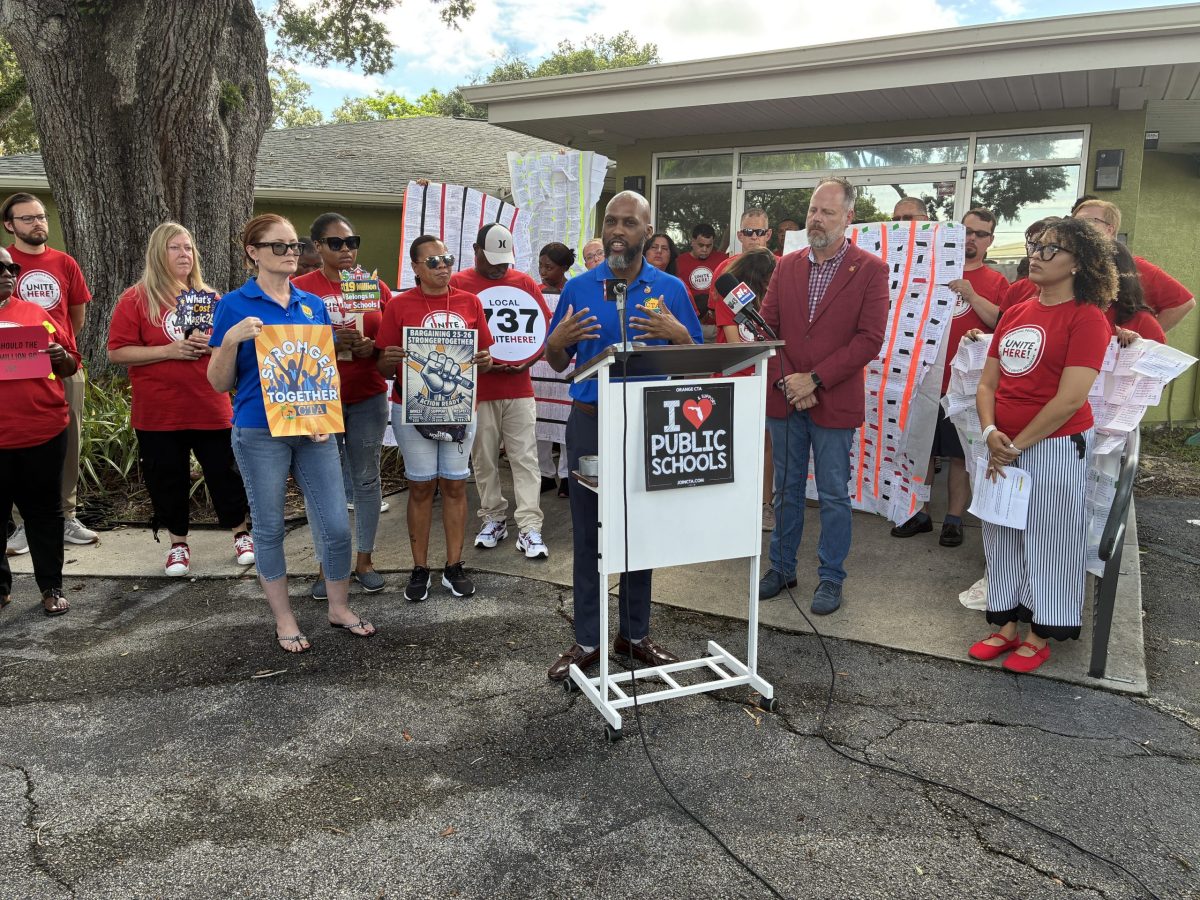
The school district that is already in a financial crisis and has been forced to close schools over declining enrollment and budget concerns.
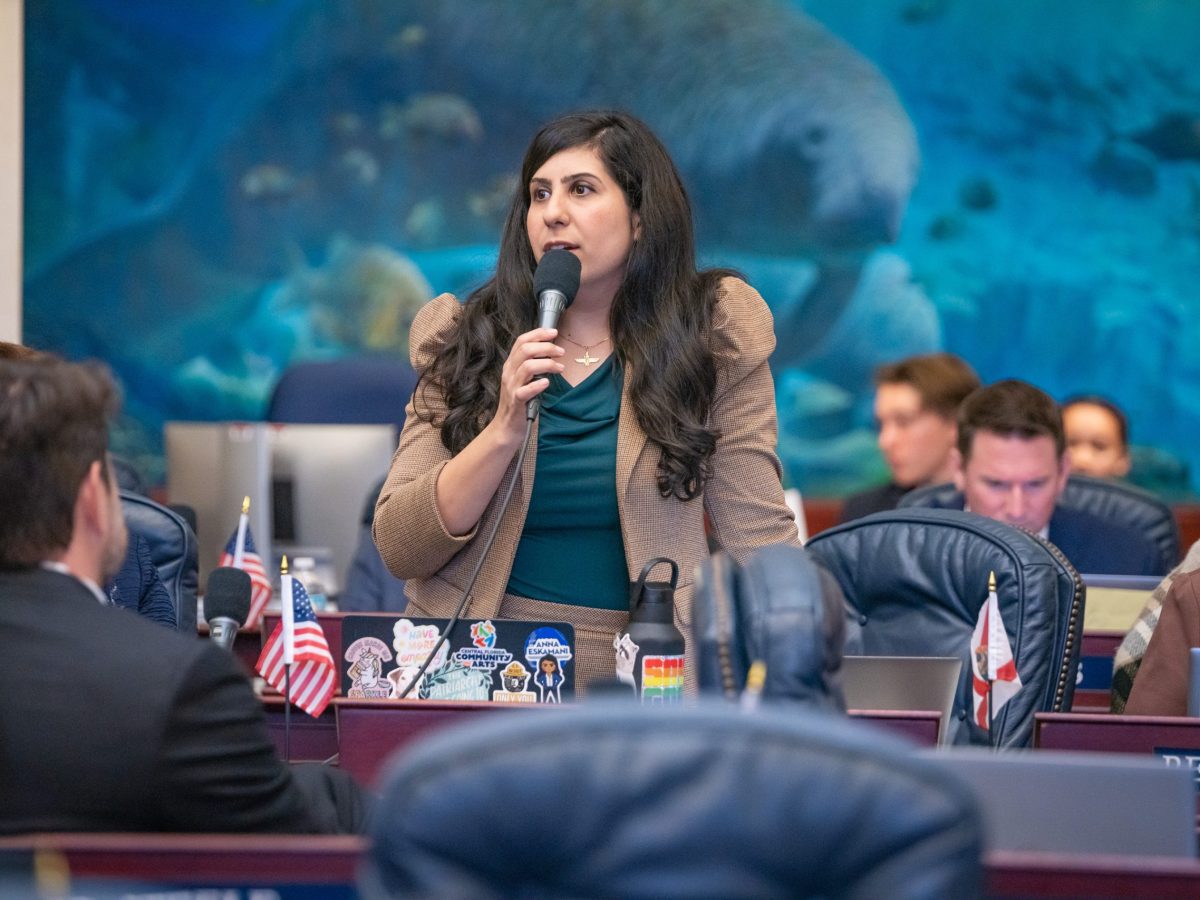
At least a half-dozen municipalities in Florida already have wage recovery programs, but not in Orlando or Orange County.
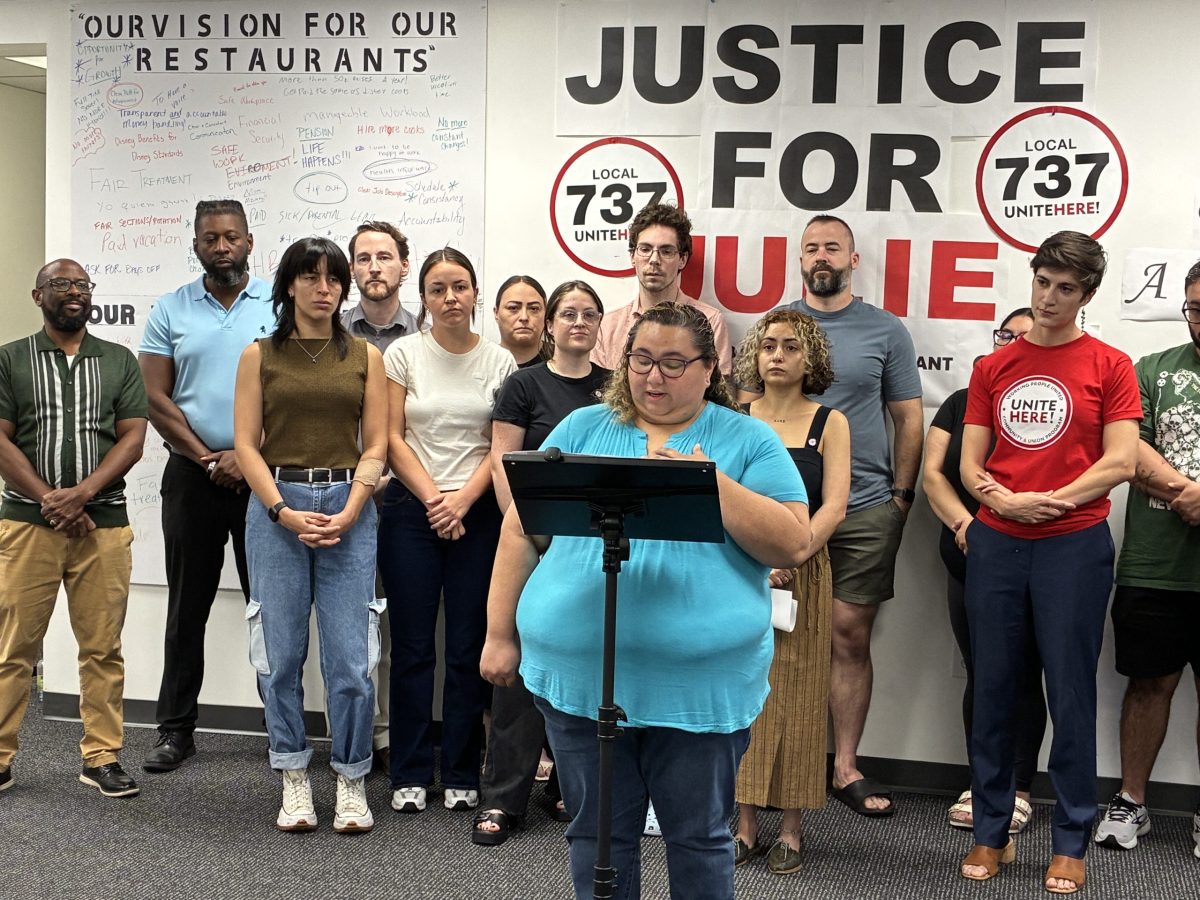
Four workers employed by the Patina Group at Epcot’s Italy Pavilion have threatened to file a lawsuit over the issue.
Related
Source link