
i
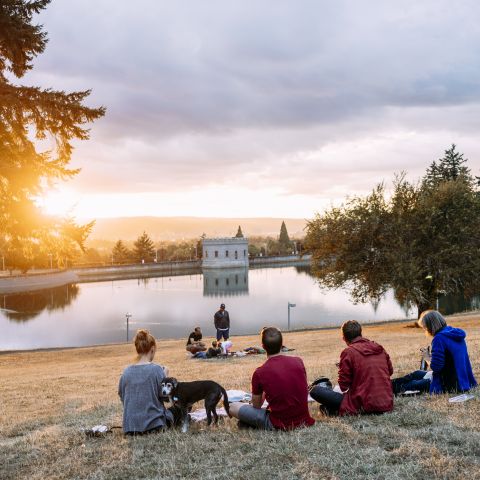
You can’t top the view from the Mt. Tabor. It’s nice up here. #ThisIsPortland
Portland’s green spaces range from flower-filled parks to polished gardens, urban forests to waterfront venues.
i
You can’t top the view from the Mt. Tabor. It’s nice up here. #ThisIsPortland
In a city as green as Portland, it’s only fitting that some of the top things to do are outdoor spots that appeal to home gardeners and hikers alike.
Home to the sprawling wilderness of Forest Park — one of the country’s largest urban forests — along with one of the world’s smallest dedicated parks, Mill Ends Park, Portland parks run the gamut, offering visitors a breath of fresh air wherever they are. There are more than 200 parks and gardens within city limits, from forests to marshlands, from trails to skateboarding rails, from the sprawling wilds of Tryon Creek State Natural Area to the meticulously manicured Portland Japanese Garden — which wows with its eight distinct garden styles and abundant natural beauty, making it a can’t-miss Portland attraction.
Botanical Gardens and Arboretums
Leach Botanical Gardens
Situated along a free-flowing creek in outer Southeast Portland, the 17-acre (6.8 ha) Leach Botanical Gardens is an inviting, restorative urban green space. The Upper Garden features an entry plaza, an aerial tree walk, a four-season pollinator garden and a basalt stone sculptural installation. The hillside and lower garden include native plants, historic Leach plant collections, meandering wooded trails, and riparian pathways along Johnson Creek.
Restrooms and a gift shop are available. Parts of the upper garden, including the pollinator garden, the tree walk and restrooms are wheelchair accessible. Pets are not allowed.
Crystal Springs Rhododendron Garden
Tucked between Reed College and the Eastmoreland Golf Course, Crystal Springs Rhododendron Garden was founded in 1950 as a rhododendron test garden. Today, the park boasts more than 2,500 rhododendrons, azaleas and other plants spread across 9.5 acres (4 hectares). Small placards identify the flora for visitors, and self-guided tour booklets are available on-site.
One of Portland’s best waterfowl-watching spots, the garden is home to nearly 100 types of birds and other wildlife. Settle in on a bench by the spring-fed Crystal Lake and enjoy the sight of dozens of ducks and geese. Listen for the trills and squawks of scrub jays, red-winged blackbirds, sparrows, green-backed herons and many other bird species.
International Rose Test Garden
Portland is the City of Roses, and there is no grander floral display than the International Rose Test Garden (or the Portland Rose Garden, as locals call it) in Washington Park.
Roughly a century after the first flower was planted, the garden remains the oldest testing ground for new rose varieties in the country and is home to over 10,000 rose bushes representing more than 600 varieties.
Hoyt Arboretum
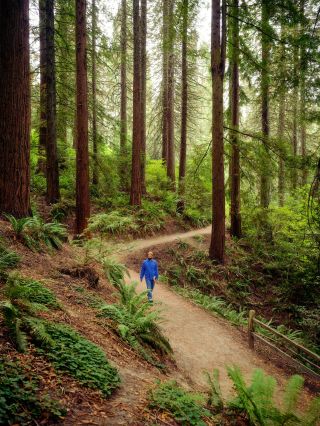
Nearly 2,000 species of trees and shrubs are showcased on 185 acres (75 ha) of hilly terrain within Washington Park. An interpretive center offers restrooms, maps, brochures and a gift shop. The 21 trails of Hoyt Arboretum cover 12 miles (19 km); two miles of trail are suitable for wheelchairs, baby strollers, and visitors who appreciate firm footing. See a map of the trails.
Picnics and Playgrounds
Mt. Tabor Park
Mount Tabor makes Portland one of only three cities in the continental United States to contain an extinct volcano within its boundaries (the others are Bend, Ore., and Jackson, Miss.). Established in 1909, Mt. Tabor Park was named to the National Register of Historic Places in 2004. Three municipal reservoirs are at the heart of the 196-acre (79 ha) park, which also features trails popular with both bicyclists and pedestrians. The cinder cone’s 630-foot (192 m) elevation affords views of downtown Portland and Mount Hood.
Laurelhurst Park
Just north of Portland’s Belmont neighborhood sits Laurelhurst Park, one of the city’s most scenic escapes. This 31-acre (12.5 ha) park really does have something for everybody to enjoy. The central lawn is the perfect spot for an afternoon picnic, there is a duck pond, and the park hosts an array of free public events.
Splash Pads
Many local parks also feature “splash pads,” which provide the quintessential summertime experience of running through a sprinkler — but without the sprinkler! Nozzles built into the ground spray clean water upwards, which then drains back into the ground (meaning there’s no risk of accumulating water for little ones to get caught in). Check out the full list here.
Know Before You Go
Note: All city fountains and splash pads are turned on by Memorial Day weekend and operate through September.
Credit: Justin Katigbak, Travel Portland
Director Park
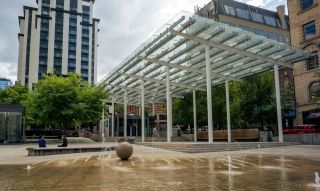
This former parking lot in the Downtown neighborhood was converted into a public square in 2009. Located just a block from Pioneer Courthouse Square, Director Park features a café, ample outdoor seating and a fountain with gentle jets and bubbles that fill a shallow basin ringed by low wooden benches and plays host to occasional events in the summer.
Keller Fountain Park
The Keller Fountain is cut into the block facing the Keller Auditorium and evokes the cliffs and waterfalls of the nearby Columbia River Gorge. Splash in the pool at the bottom, wade in the shallow basins atop the “waterfalls,” or just enjoy the sound of the rushing water in the midst of downtown.
Jamison Square
On summer days, Jamison Square becomes a no-holds-barred kids’ park featuring a gentle fountain and generous space for wading. Adults will appreciate the convenience of the Pearl District park’s location on the Portland Streetcar line and the impressive public art — modern “totem poles” designed by Kenny Scharf.
Waterfront Parks and Fountains
Mill Ends Park
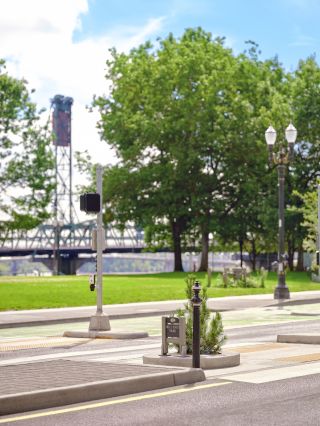
At 24 inches (61 centimeters) in diameter, Mill Ends Park is the world’s smallest dedicated park. Located in the median of Southwest Naito Parkway at Taylor Street, its story began when a journalist for the “Oregon Journal,” Dick Fagan, got tired of looking at the ugly pothole below his office window. He decided to plant flowers in the hole and name it Mill Ends Park. To generate interest in this tiny green space, Fagan centered many newspaper stories around the capers of a fictitious park resident, a leprechaun named Patrick O’Toole.
Waterfront Park

1 of 5
Credit: K. Kendall via Flickr

2 of 5

3 of 5

4 of 5
Credit: Justin Katigbak, Travel Portland

5 of 5
Credit: Nick Mendez Photography
Once the site of a freeway, Tom McCall Waterfront Park is a downtown riverfront park popular for jogging, in-line skating and cooling off at several fountains placed along the park, like Salmon Street Springs, a fountain whose water patterns change with the city’s mood.
The park bears the name of former Oregon Governor Tom McCall, a staunch advocate of recycling, environmental preservation and urban planning. This 1.5-mile (2.4 km) stretch of green along the Willamette River is home to many annual events, including the Portland Rose Festival and the Waterfront Blues Festival.
The Bill National Legacy Fountain at the end of the plaza built for the Portland Saturday Market incorporates two distinct play areas: a blowhole-dotted section that operates when no events are taking place on the plaza and an adjacent amphitheater that runs more frequently. The blowholes are perfect for toddlers and older kids, and the amphitheater involves a compelling sequence of water arches. A few steps beyond the fountain, every spring, you’ll find the cherry blossoms bursting near the Japanese American Historical Plaza, located at the north end of the park.
Lovejoy Fountain Park
Hidden away just five blocks from Keller Fountain Park is another fountain designed by Lawrence Halprin’s acclaimed firm. The Lovejoy Fountain takes its inspiration from mountain lakes and streams.
Wildlife Preserves and Natural Areas
Tryon Creek State Park
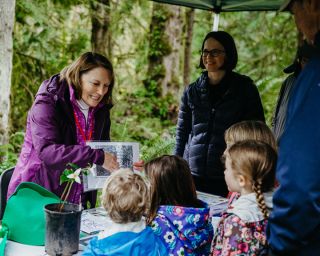
Located 15 minutes south of downtown, Tryon Creek State Natural Area is Portland’s only state park and features miles of trails under a mixed forest canopy. The 658-acre (266 ha) park’s namesake, Tryon Creek, is home to a run of steelhead trout. In addition to 3.5 miles (5.6 km) of horse trails and a 3-mile (5 km) paved bicycle path, the park has 8 miles of hiking trails, including the .35-mile (.6 km), fully accessible Trillium Trail, with paved pathways, drinking fountains, resting benches and viewing decks. The park’s nature center provides interpretive displays and restrooms. Dogs are allowed on leashes.
Tanner Springs Park
Tanner Springs Park is a living example of Portland’s eco-consciousness: a thriving wetland in the heart of the urban Pearl District neighborhood.
Oaks Bottom Wildlife Refuge
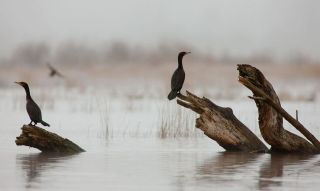
The 140-acre (56.7-hectare) Oaks Bottom Wildlife Refuge is a wetland just east of the Willamette River in Sellwood and a birdwatchers’ paradise. Many species are attracted to the marshes of Portland’s first wildlife refuge, including the city’s official bird, the great blue heron.
Portland’s Extinct Volcanoes
Portland is home to four extinct volcanoes — some dating back millions of years. Here’s how to enjoy hiking, shooting hoops, picnicking and more on these natural wonders.
Accessible Trails
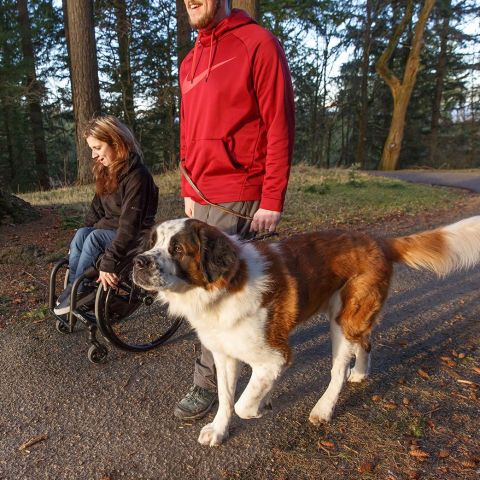
Portland and the Columbia River Gorge are filled with hiking opportunities for everybody, many of which have Americans with Disabilities Act (ADA) accessible trails.
Bird Alliance of Oregon
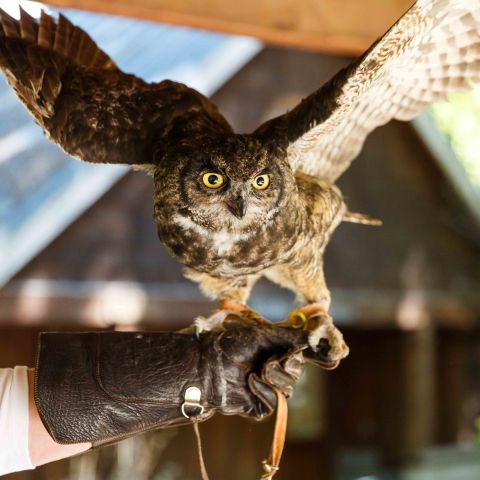
The Bird Alliance of Oregon (formerly Portland Audubon) is a great starting place for hiking Forest Park and (of course) bird-watching.
Wildlife Preserves Near Portland
At the northernmost point of Portland, along the Columbia River, you’ll find Smith and Bybee Wetlands Natural Area, the largest protected wetlands within a U.S. city. With a 205-acre (83 ha) waterway, it’s a haven for many animal species and for nature-seeking hikers, bikers, and kayakers. Composed of two lakes, the Smith and the Bybee, this public parkland is home to beavers, black-tailed deer and even bald eagles, which can be seen from two wildlife-viewing platforms.
This 650-acre (263 ha) wildlife preserve west of Portland in Hillsboro, Oregon features expansive wetlands and an abundance of wildlife viewing opportunities. Jackson Bottom Wetland Preserve amenities include a community center with interpretive displays and restrooms, a wheelchair-accessible wildlife-viewing platform and additional trails. Free and open from dawn to dusk.

Credit: Clayton Cotterell for Travel Oregon
On the outskirts of Portland in the Columbia River, Sauvie Island is a rural oasis where visitors can pick seasonal fruits and vegetables or sample local treats from field stands and farmers’ markets. Parks, beaches and wetlands attract wildlife and nature lovers alike. Fall brings bright colors, pumpkin patches — even a corn maze to weave through.
Tualatin River National Wildlife Refuge is a place to discover an ever-changing panorama of wildlife. As the seasons change, so do the wildlife viewing opportunities. Located on the Pacific Flyway, the Refuge is an important stopover where migrating waterfowl, songbirds, and shorebirds stop to rest, refuel and raise their young.
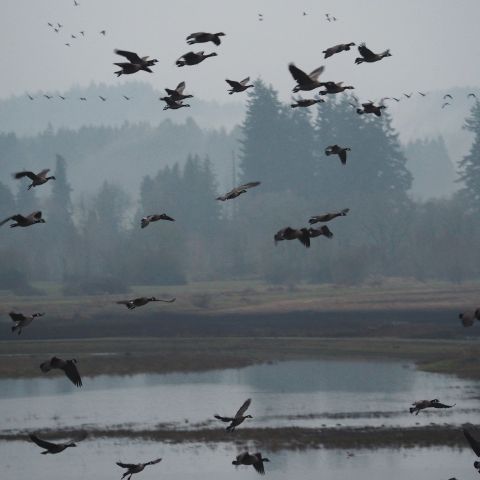
Bird-Watching in Portland
Catch sight of 200+ types of birds at the Portland area’s dozens of prime bird watching destinations, including sanctuaries, refuges and urban parks.
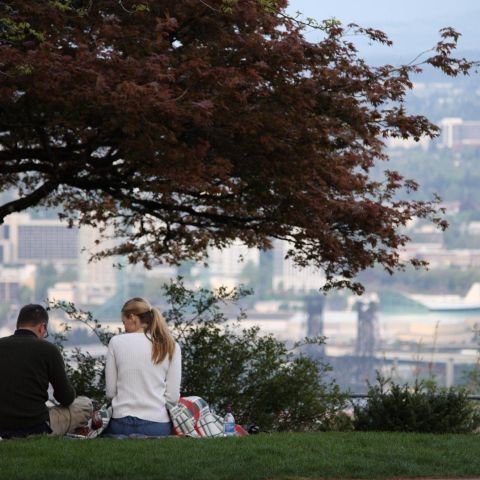
Portland Picnic Guide
With more than 275 parks within city limits, there’s no shortage of parks around Portland to spread out a picnic blanket and feast on local eats.
Was this page helpful?