While reporting my first story as an intern at a small Vermont newspaper, I was kidnapped. Well, not really — I was 19, so technically no longer a kid, and my so-called ’napper was a very kind community member who’d driven me to interview her friend about a deep-rooted Vermonter who had just died. That chat, however, dragged on for seven exhausting hours and involved three locations. Also, lunch. (As any kidnappee knows, you should avoid going to a second location, much less a third.) By the time I was returned to my car with a very full notebook, it sure felt as though I’d been snatched and, mercifully, set free.
That early assignment taught me essential journalism lessons. First and foremost: Always have an exit plan. Close second: Reporters never know quite where the day will take them. Even those with the best-laid plans should be prepared to get swept up by their story, lose all control, follow new threads, scrap everything, start again and still meet their deadline.
If you think today’s news cycle is full of dramatic twists and turns, you should hear the behind-the-scenes sagas of getting the news, as I do every week as a Seven Days editor. These are the Backstories we share with readers at the end of each year — reporters’ personal accounts of what went into their most memorable bylines.
The tough stuff tends to leave a lasting memory. Kevin McCallum sweat bullets as a vote in Congress upended his cover story about U.S. Sen. Bernie Sanders. Alison Novak tried every trick in the book to get a reluctant source — Vermont Education Secretary Zoie Saunders — to open up. And Chris Farnsworth is still scarred from writing about Seven Days’ house band. (Sometimes it’s the stories you least expect.)
Other assignments brought more welcome surprises. After narrowly avoiding arrest near the U.S.-Canadian border, Lucy Tompkins found quirky respite at a hobbit house. Colin Flanders got a thrilling view of history as he reported on the release of Palestinian activist Mohsen Mahdawi. Pamela Polston offended a bishop but then found a path toward redemption.
From complicated interviews to chance encounters, these stories shed light on the dogged and sometimes scrappy reporting that takes place daily at Seven Days. It’s the kind of work on which a strong community and democracy depend — and which AI could never replicate.
A reporter’s job involves more grunt work than glory, but there’s consolation when things go sideways: We’ll always have good Backstories to tell.
Backstories 2025:
Backstory: A Food Writer Surprises a Chef With James Beard News
The James Beard Awards are a big deal in the food world. But sometimes, the journalists covering them are paying more attention than the chefs being honored.
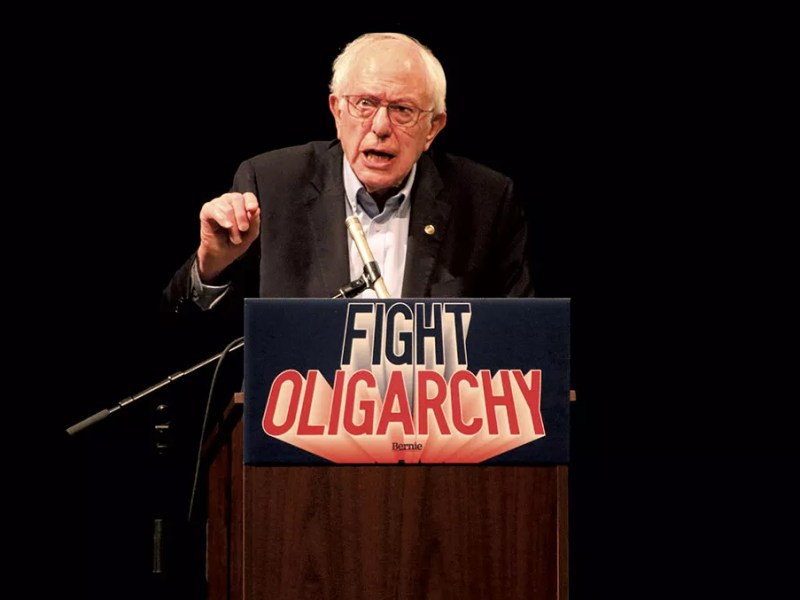
Backstory: As Congress Dithered, a Reporter Blew Past His Deadlines
Writer Kevin McCallum missed all of his deadlines for a story about U.S. Sen. Bernie Sanders’ “Fight Oligarchy” tour. He claims it was Congress’ fault.
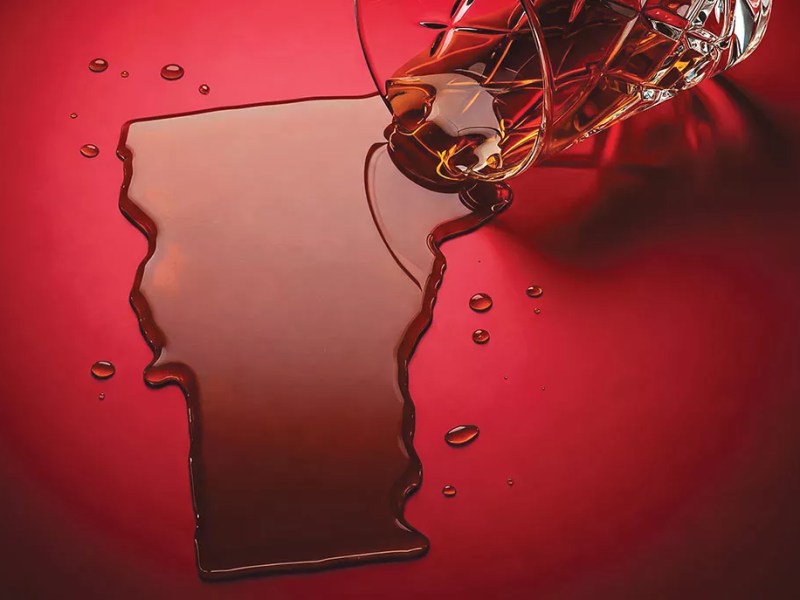
Backstory: A Story on Alcohol Abuse Hits Close to Home for One Reporter
Writer Colin Flanders began to reconsider his own relationship to alcohol while reporting about Vermont’s booze problem.
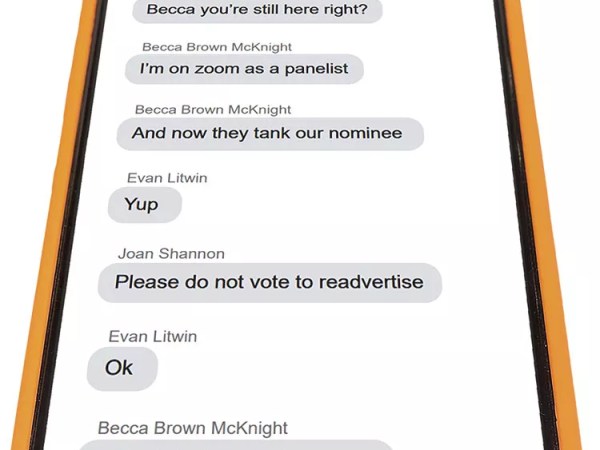
Backstory: How a Reporter Caught City Councilors Gossiping in a Group Chat
From her seat in Burlington City Hall, writer Courtney Lamdin spied city councilors texting during meetings. The practice skirts the boundaries of state law.
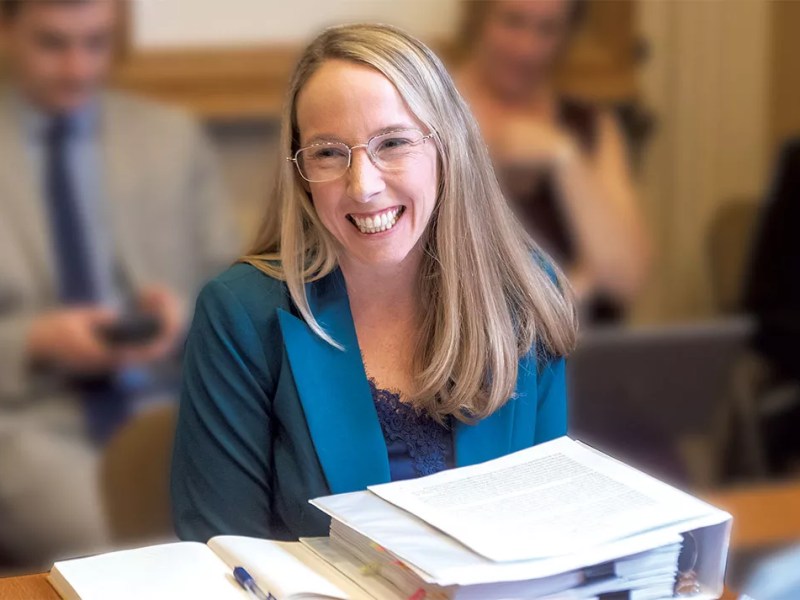
Backstory: A Reporter Struggles With a Reluctant Subject
It was difficult for writer Alison Novak to finagle an interview with Education Secretary Zoie Saunders, who eventually relented but still resisted opening up.

Backstory: A Reporter Pulls Off Feverish Multitasking in Montréal
While on assignment in Montréal, visual art editor Alice Dodge also tried to get Canadian passports for her kids. A frenzied February school break ensued.
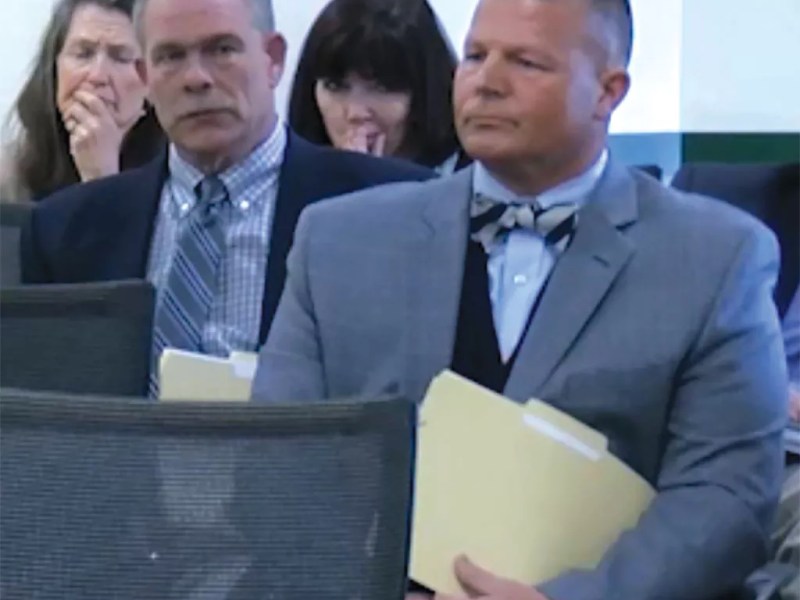
Backstory: A Story Snowballs as a Reporter Connects the Dots
Writer Alison Novak’s deep-dive research into an assault at the Vermont School for Girls led to a bigger story about state-level decision making.
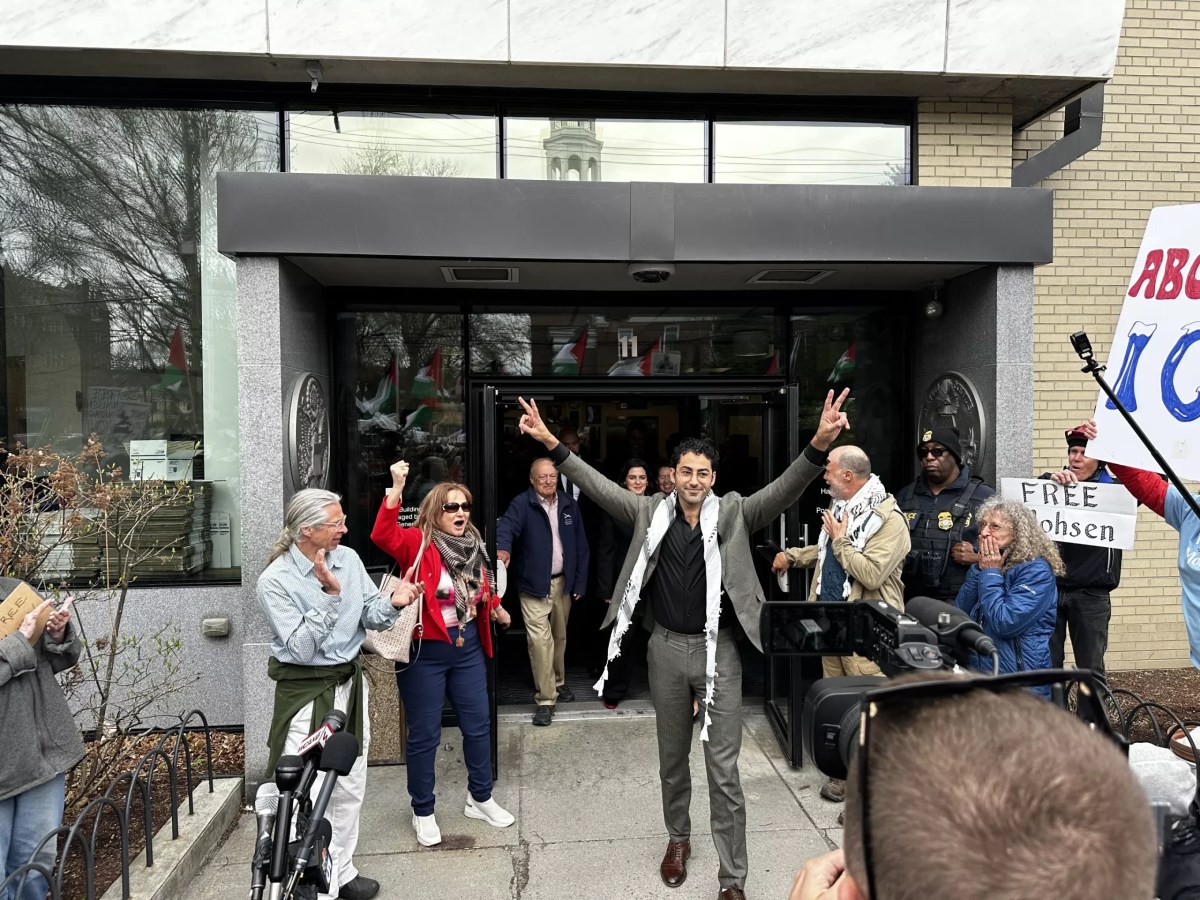
Backstory: With Mohsen Mahdawi’s Release, a Reporter Feels the Weight of History
As Vermont got swept up in Trump’s crackdown on student protesters, writer Colin Flanders felt the rush of witnessing history in the making.
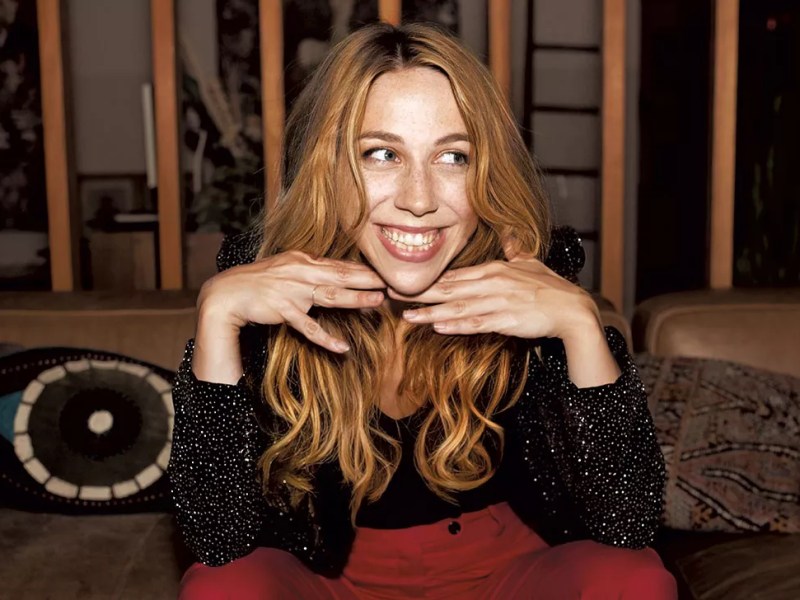
Backstory: A Reporting Trip Proves That One Good Story Leads to Another
Culture coeditor Dan Bolles went to New York City for a cover story about comedian Tina Friml and came back with a lead about a quirky Vermont yard game.

Backstory: Why Our ‘Hater’s Guide to Creemees’ Was an Act of Love
Reporter Chelsea Edgar doesn’t believe Vermont’s beloved creemee is beyond reproach. In fact, there are a few more hater’s guides she’d like to write.
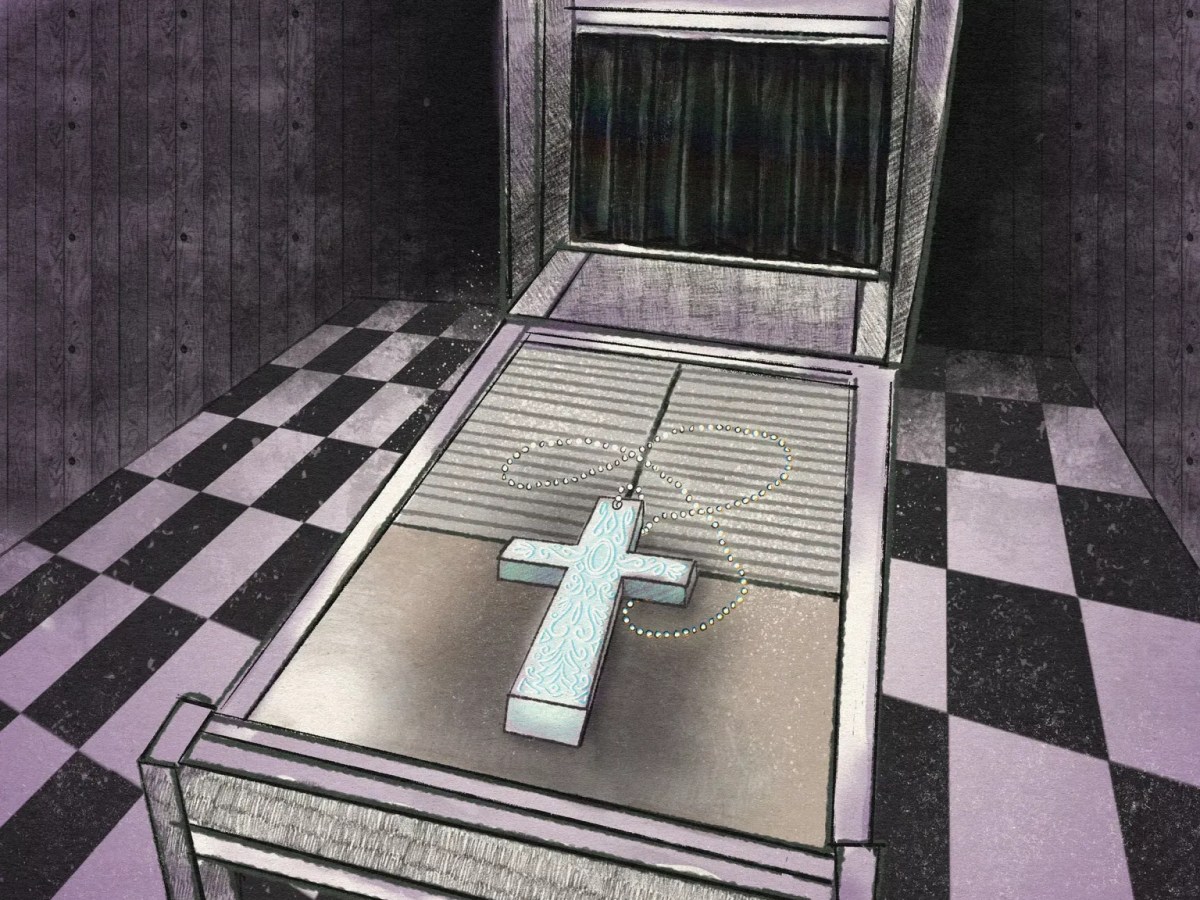
Backstory: A Reporter and a Bishop Walk Into a Courthouse…
Writer Derek Brouwer went to court to cover sex-abuse survivors testifying against the Roman Catholic Diocese. The story changed when he ran into the bishop.
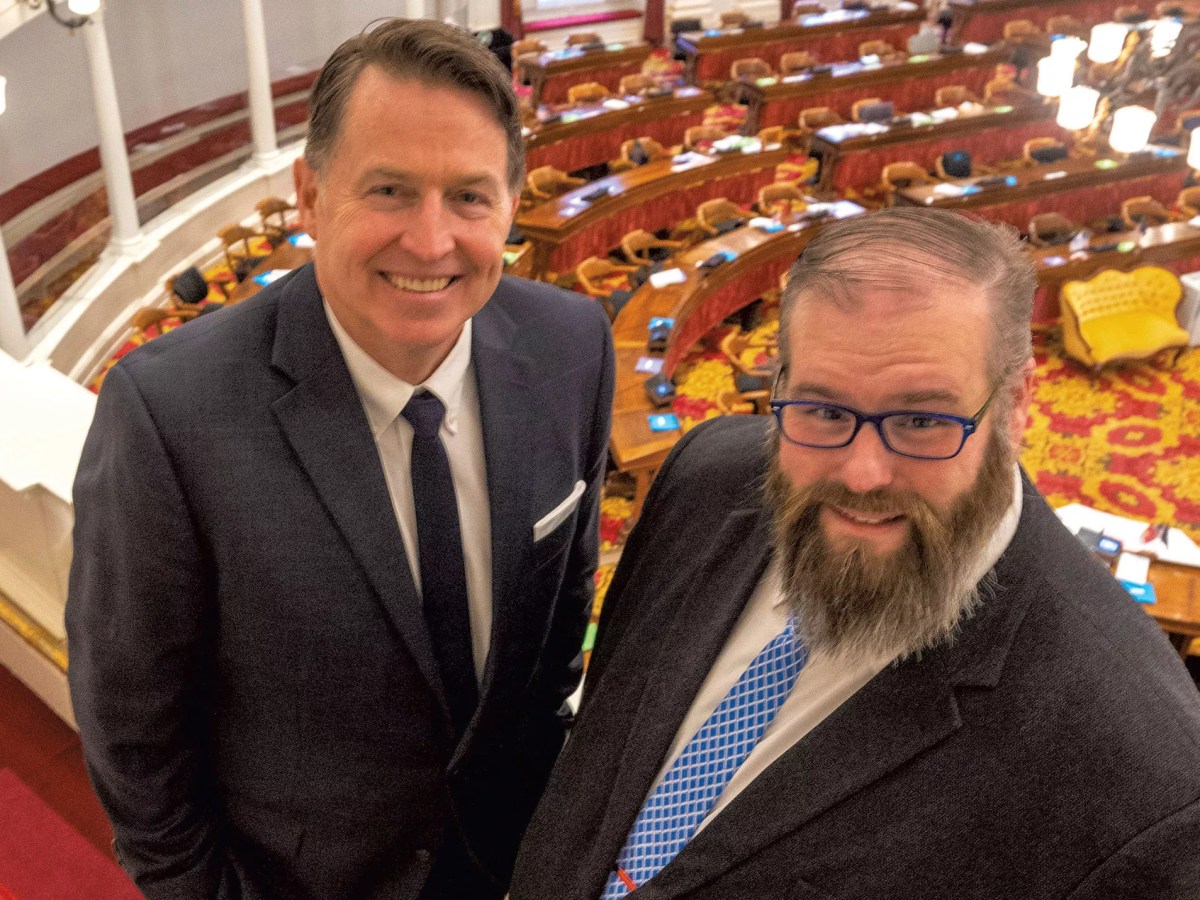
Backstory: A Rookie Lawmaker Shares His Surprising Use of AI
While reporting on Vermont’s newest representatives, Statehouse writer Hannah Bassett discovered one using ChatGPT to make sense of a high-profile bill.
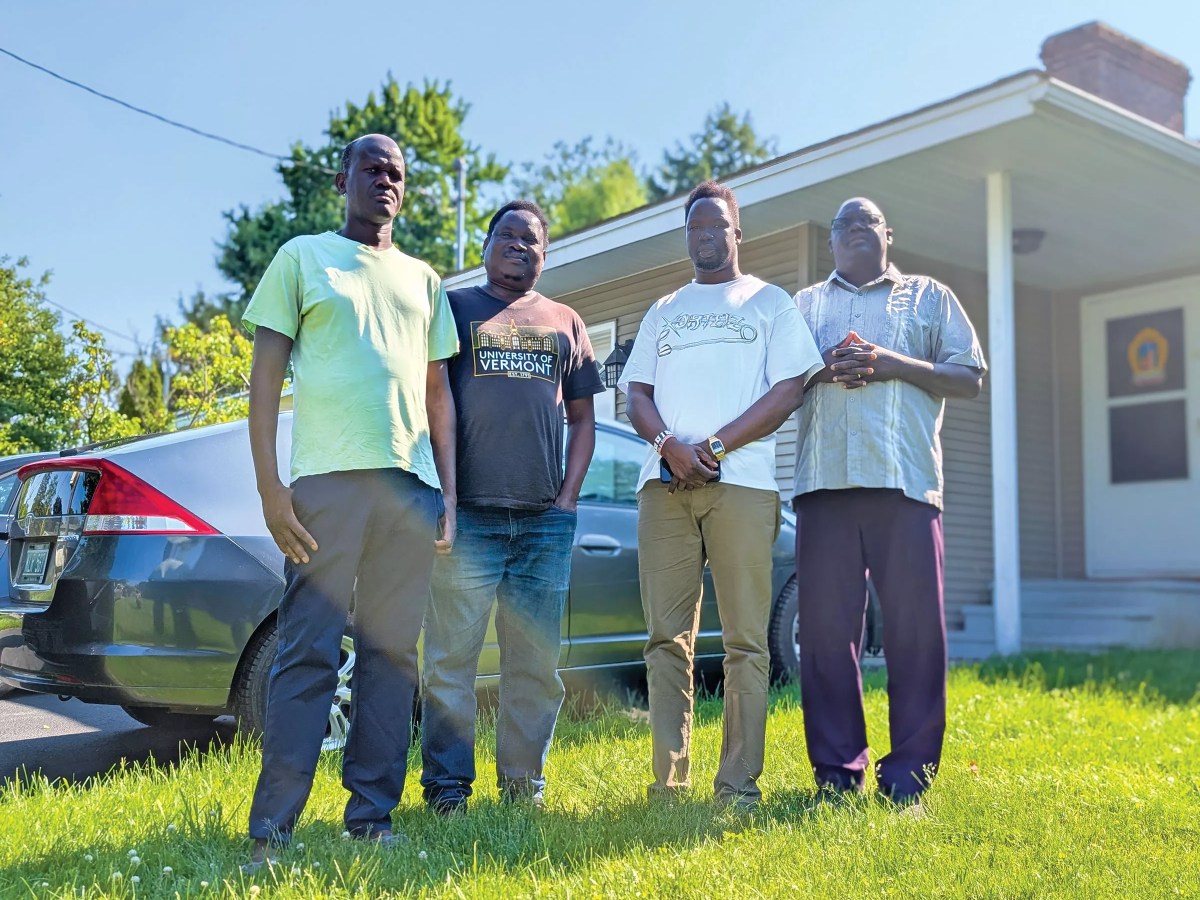
Backstory: Good News Derails a Story on Deadline
A story about Trump’s ban on South Sudanese passport holders was ready to go to press — and then a last-minute twist caused writer Courtney Lamdin to scramble.
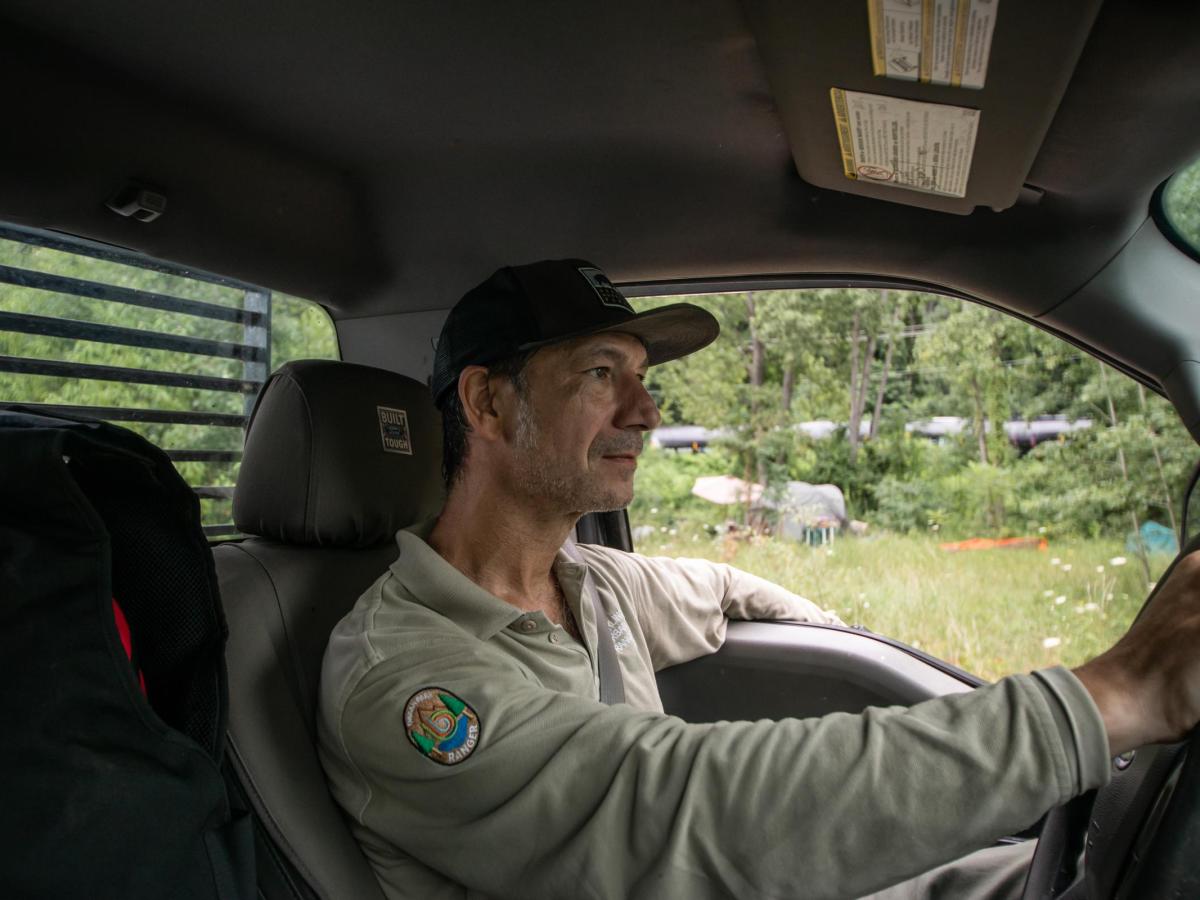
Backstory: How a Story Tipster Became Its Subject
A Burlington park ranger stopped by the Seven Days office with a story tip about homelessness. Reporter Derek Brouwer turned the tipster into the story.
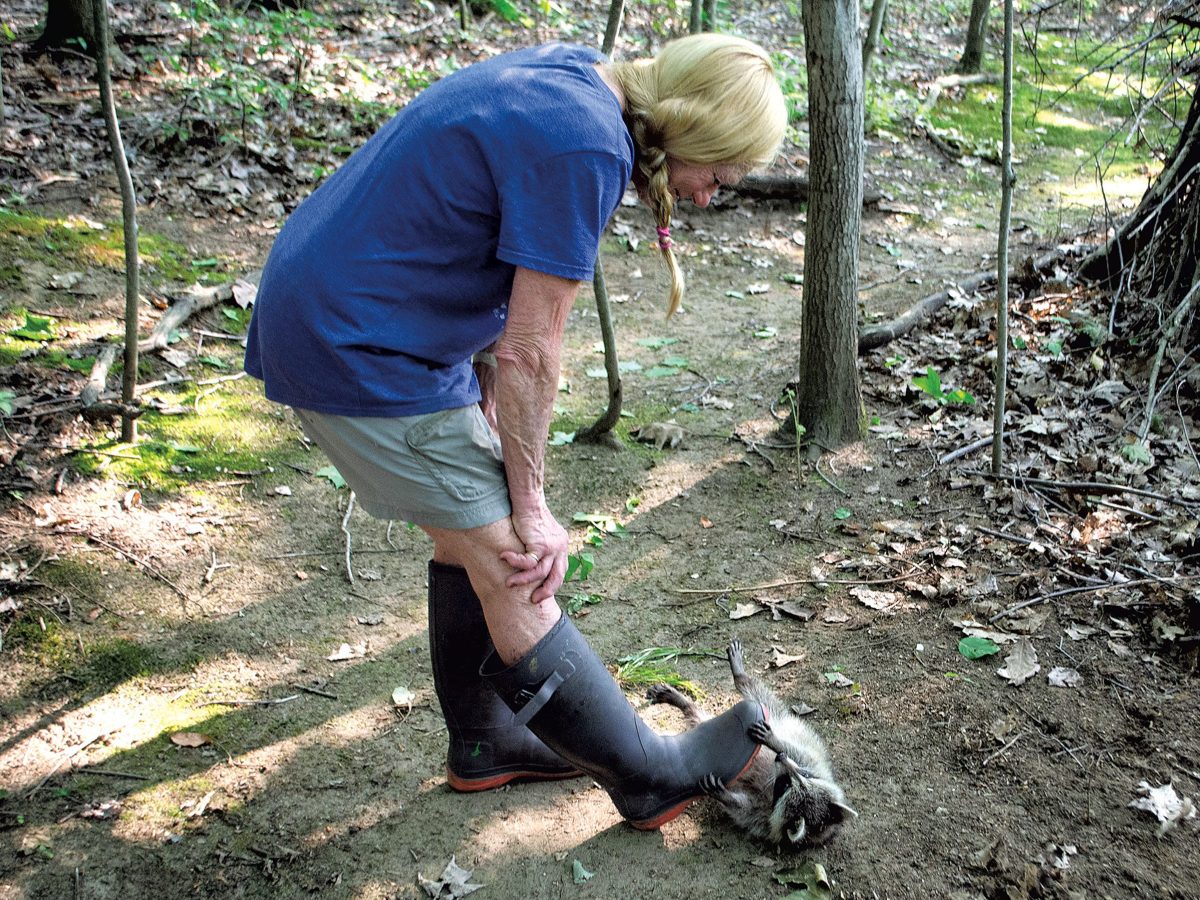
Backstory: A Reporter Spends a Surreal Overnight by the Vermont Border
While covering U.S.-Canada border tensions, writer Lucy Tompkins was nearly arrested and spent a night in a hobbit house with a baby raccoon.
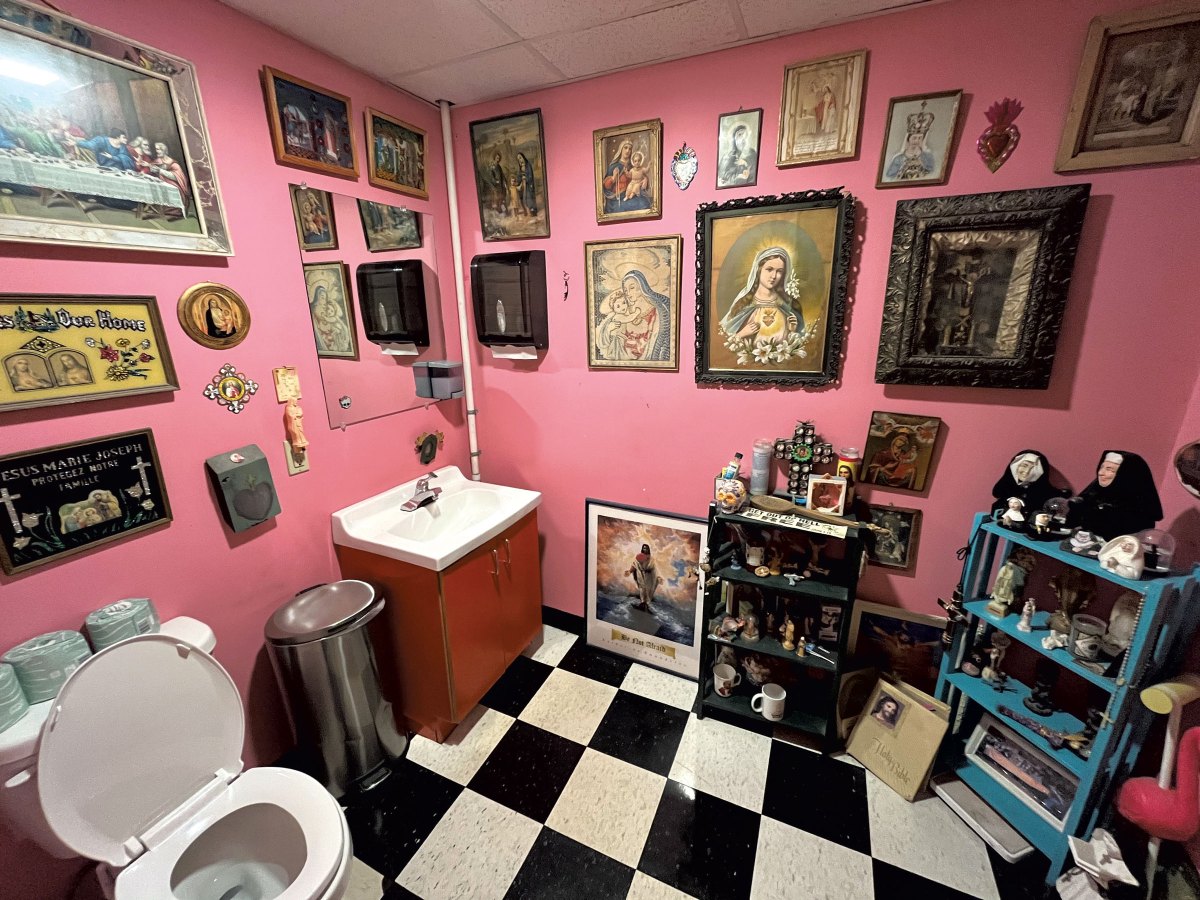
Backstory: A ‘Last Rites’ Box Finds a Holier Home
After readers were appalled by a story about Seven Days’ office bathroom, brimming with religious art and objects, a writer gifted a last rites box to a bishop.
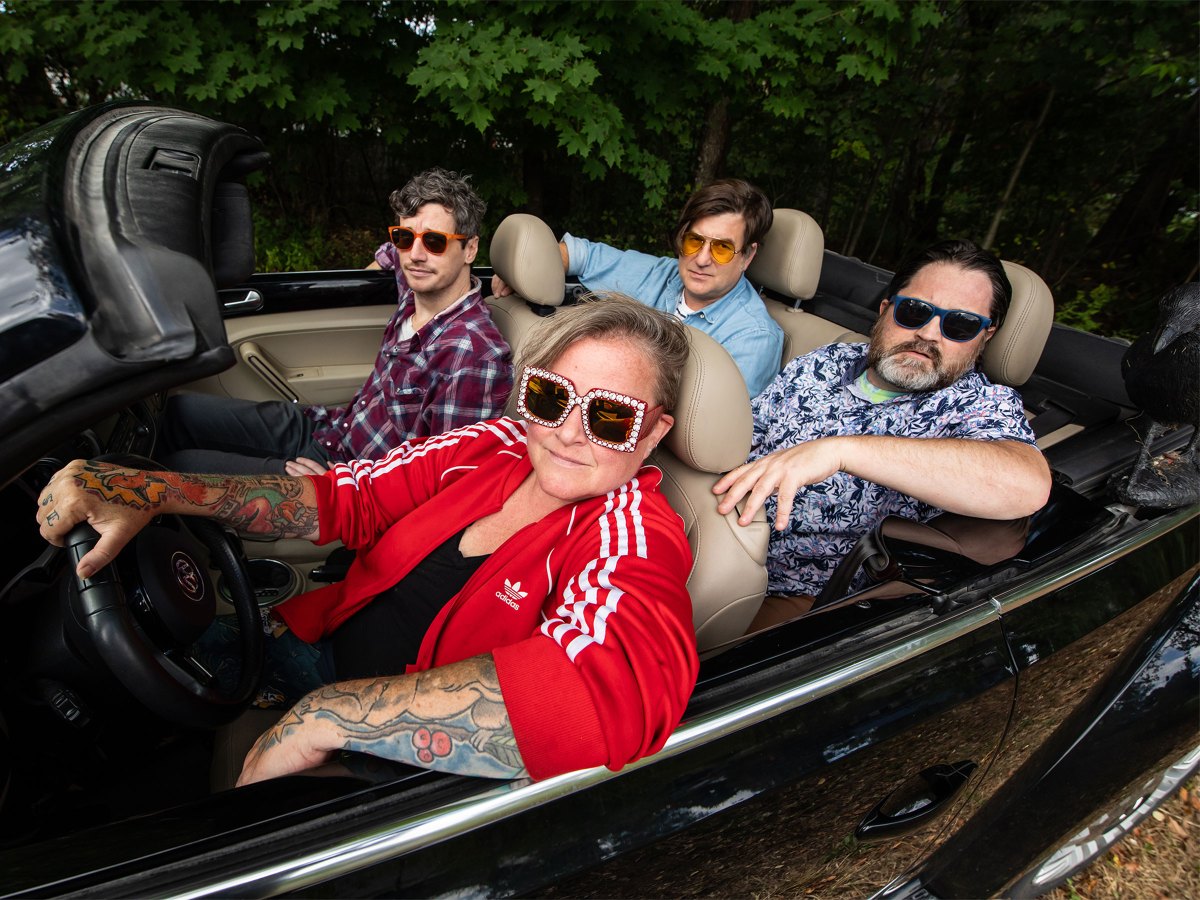
Backstory: Writing About Other Seven Dayzers Has Its Dangers
When music editor Chris Farnsworth interviewed and wrote about his coworkers’ band, he found himself in an uncomfortable, and conflicted, position.
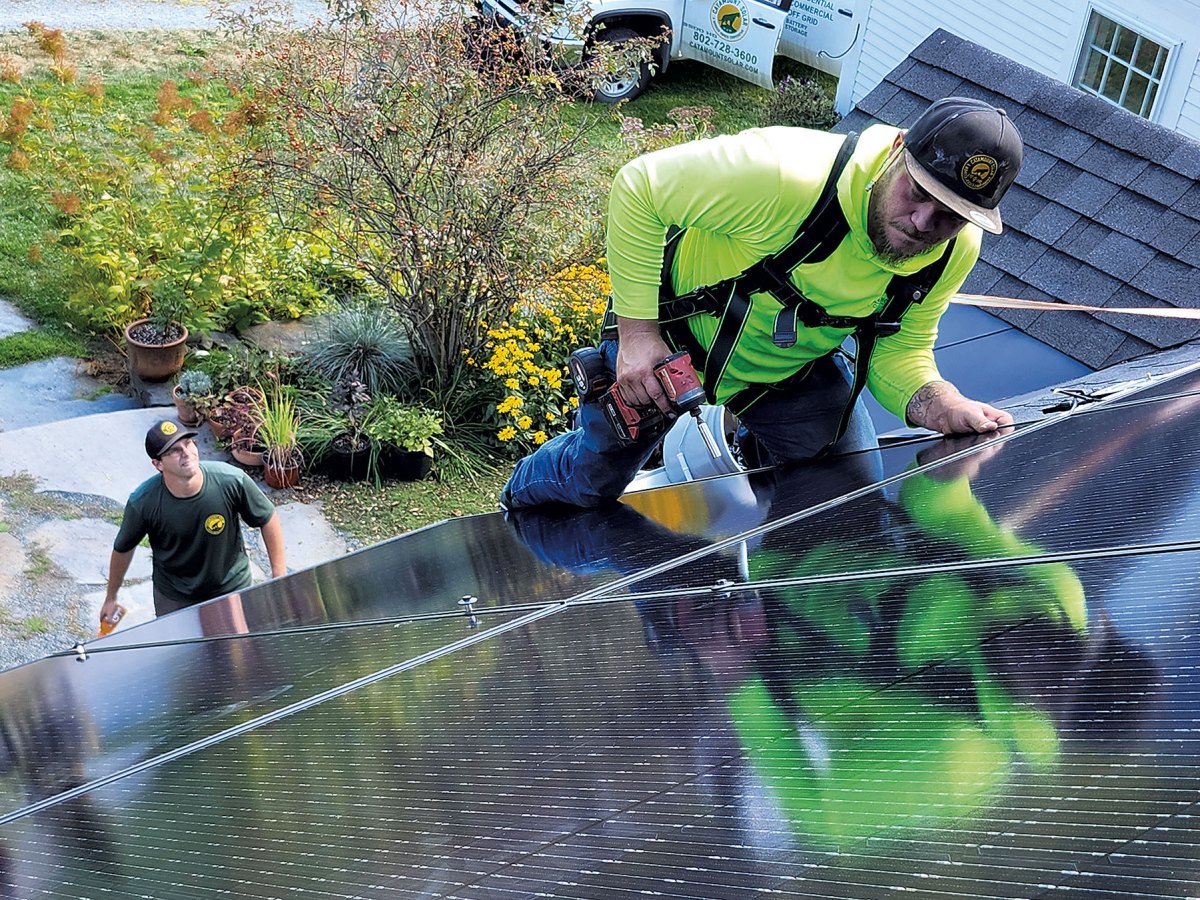
Backstory: A Reporter Goes to Great Heights, Literally, to Get the Shot
Seven Days writers often shoot photos for their stories. For reporter Kevin McCallum, photojournalism is an art that sometimes requires scaling a roof.
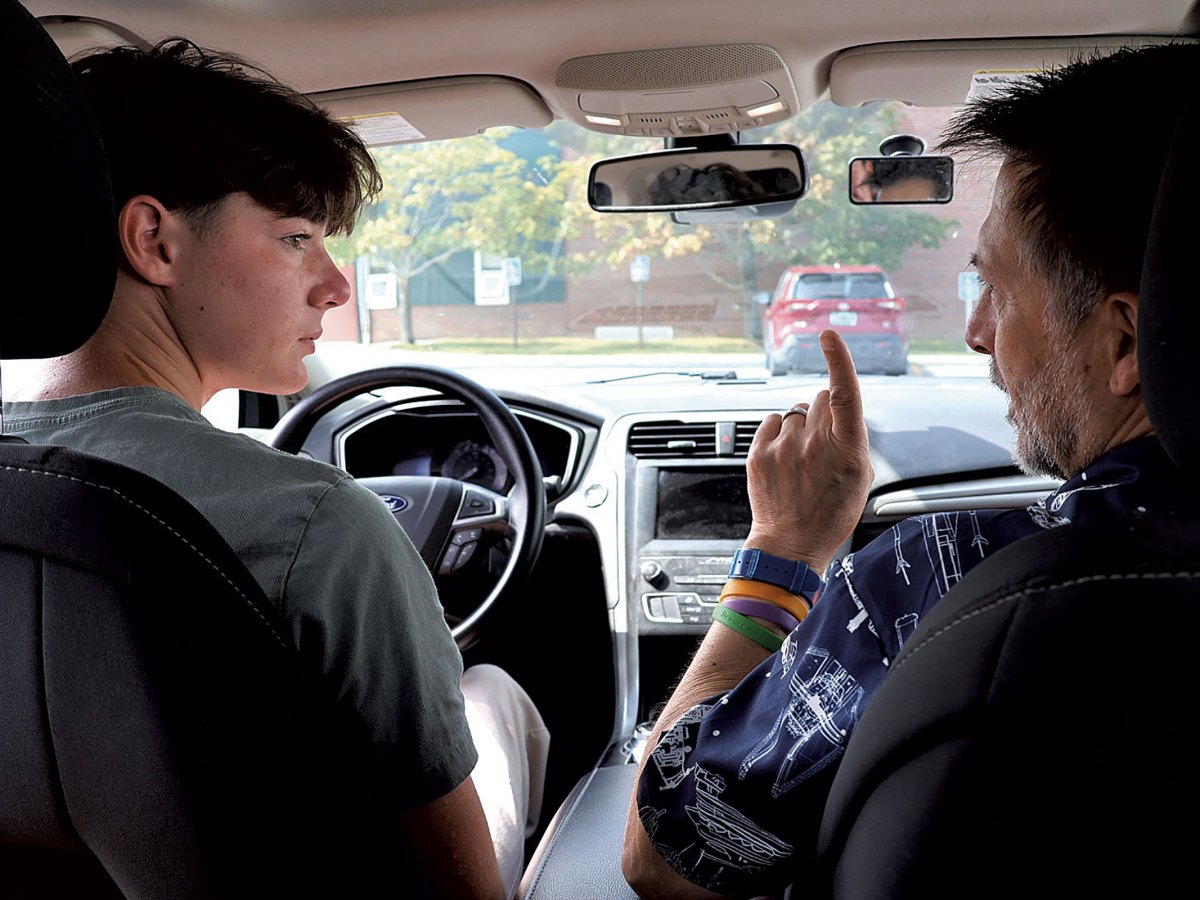
Backstory: A Reporter Follows the ‘Write What You Know’ Axiom
In a case of uncanny timing, writer Ken Picard takes his 16-year-old daughter for her road test as he wraps up a story on driver ed in Vermont.
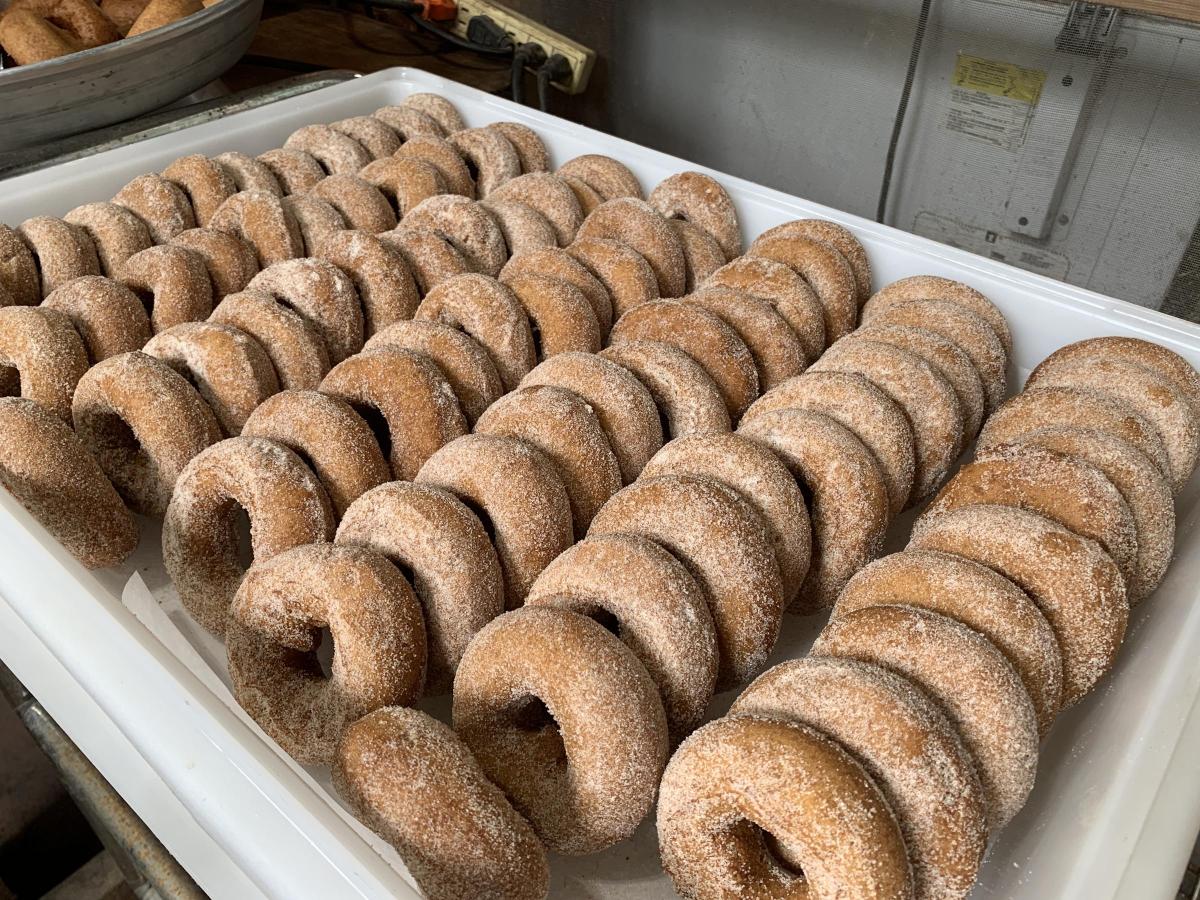
Backstory: A Cider Doughnut Run-In Brings a Reporter Full Circle
It’s not unusual for a journalist to discover an unexpected connection when out on assignment, but a serendipitous farmstand encounter was extra sweet.
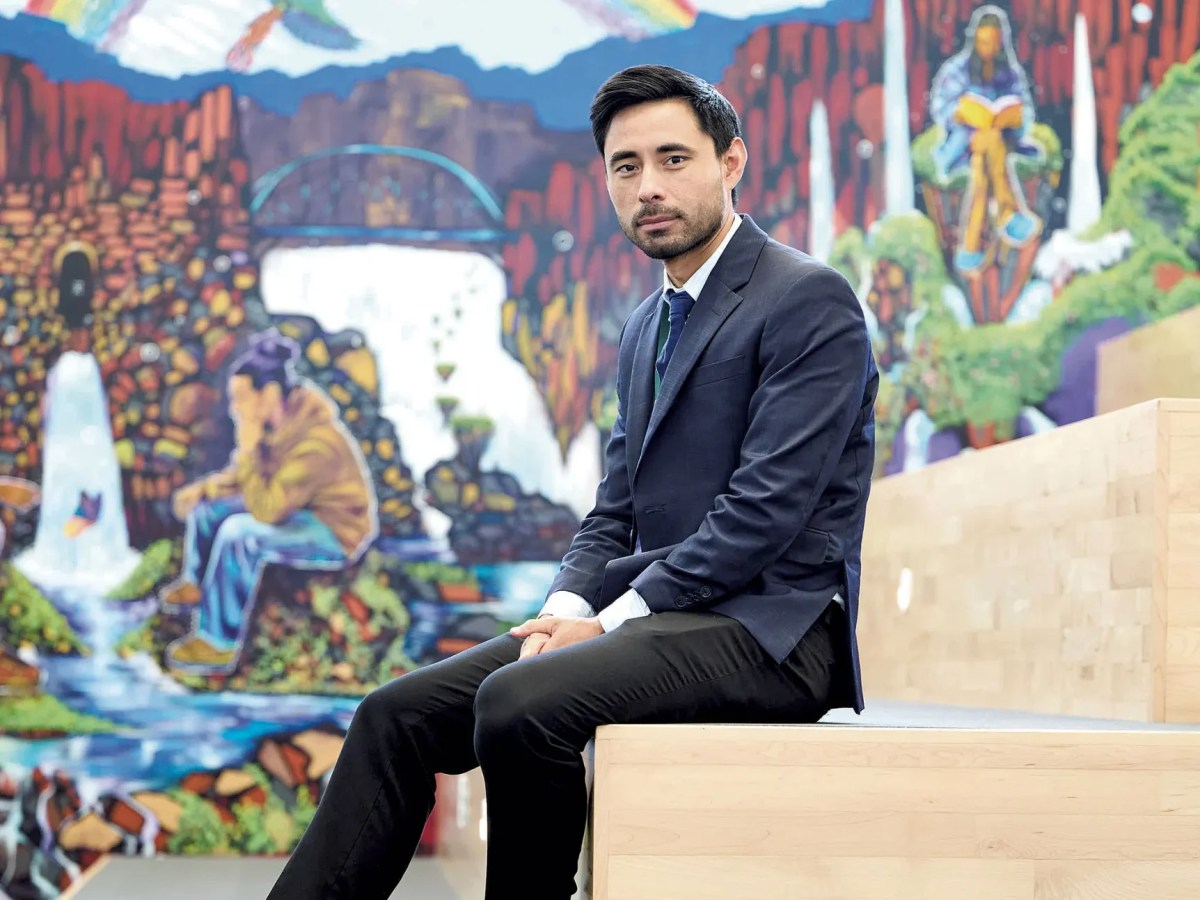
Backstory: A Story Took a Dramatic Turn During a Reporter’s Vacation in Thailand
While writer Alison Novak was on a family trip in Bangkok, she received an email that became national news and changed the trajectory of her cover story.
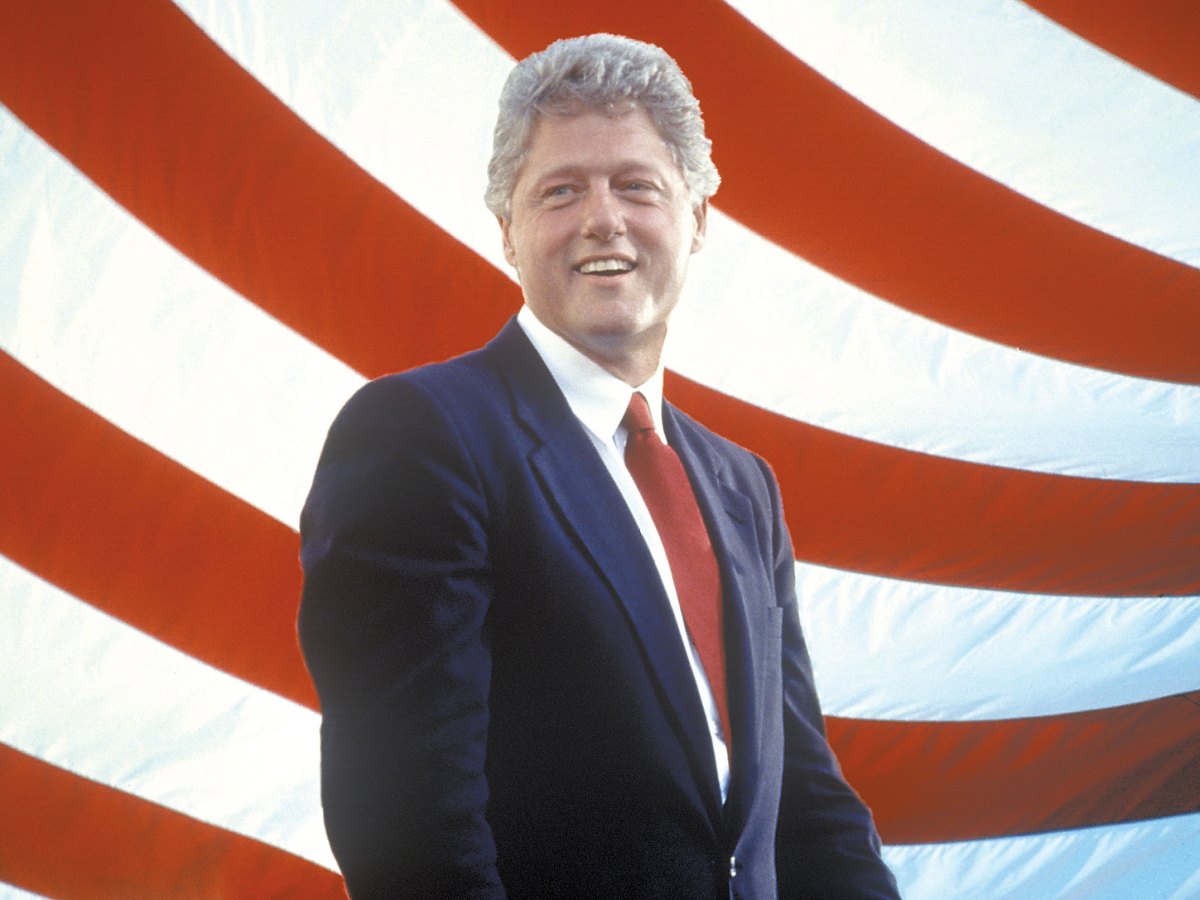
Backstory: How VTIFF Got Its T-Shirt to President Clinton
ometimes a great anecdote doesn’t serve a story. Here’s one left on the cutting-room floor, involving a president, the Secret Service and a Vermont film festival.
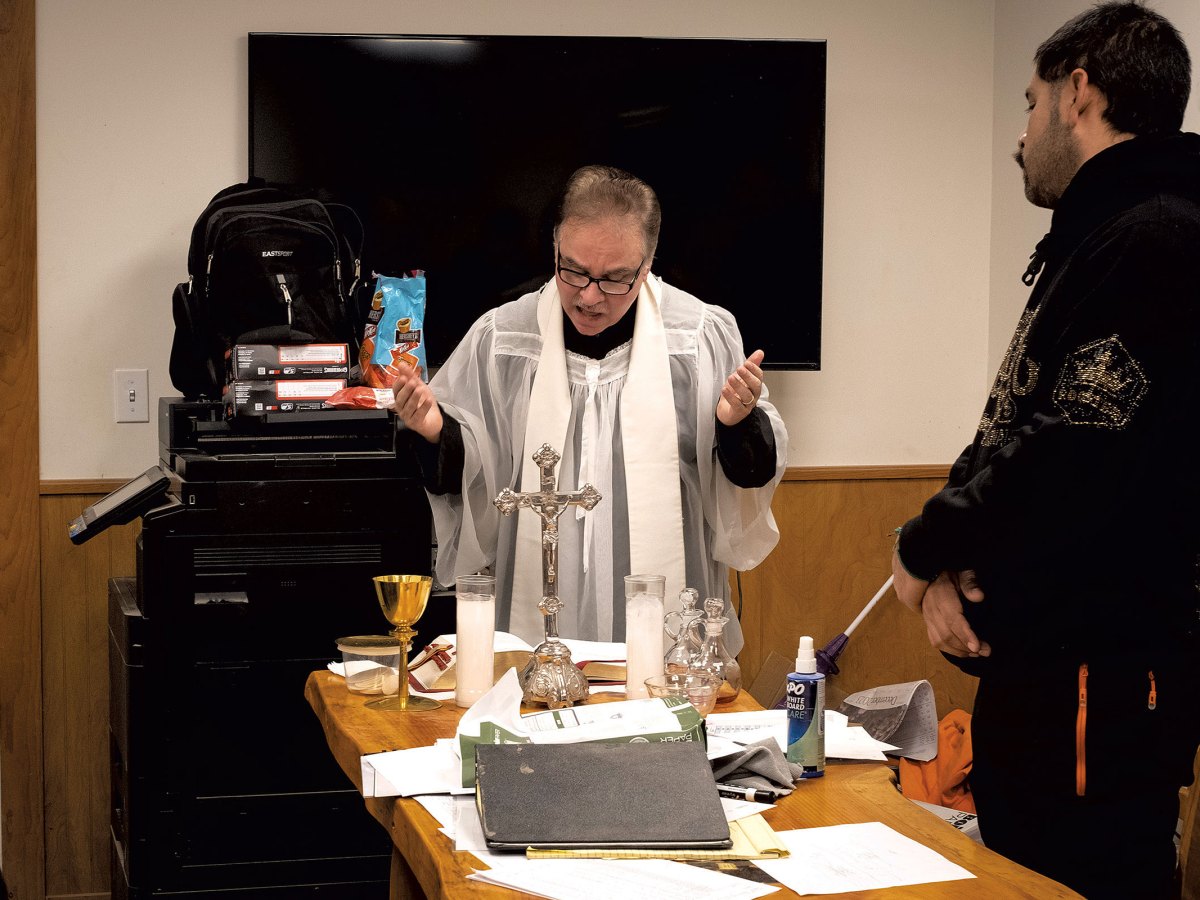
Backstory: An Immigration Reporter Relies on Her Childhood Spanish
When reporting on Vermont’s immigrant communities, Lucy Tompkins uses the Spanish she learned as a child in central Mexico to build trust.
This article appears in Dec 24 2025 – Jan 6 2026.