
Food
Some Boston area restaurants may earn stars or bib gourmand status in a debut guide coming Nov. 18.
The Michelin Guide has finally made its entry into Greater Boston, leaving chefs and restaurateurs anxiously awaiting the results of the premiere list for one more week.
The first-ever Boston guide will be unveiled Tuesday Nov. 18 at a ceremony in Philadelphia that will also announce the guides for Philly, New York City, Washington, DC, and Chicago.
Boston’s debut is almost certain to impact the dining scene in some way, now and in the future. Restaurants could change their concepts in chase of stars, more Michelin-level restaurants could be on the horizon, and it could increase Boston’s profile as a food destination for potential visitors.
But before that happens, someone has to make the list. The Michelin Guide has intrigue, and it’s also relatively new to United States diners. For a few years New York was the only city receiving Michelin stars, and even that didn’t start until 2005, more than 100 years after the guide started in France.
So it’s understandable that Boston diners have questions, and given the evasiveness of Michelin, there aren’t always straightforward answers.
Ahead of the big reveal, here’s what we do know after talking to the city’s experts, the people who make your food and have wined and dined at their fair share of Michelin-rated restaurants.
What is the Michelin Guide?
Even if you’ve never looked through a Michelin guide or eaten at a star-earning restaurant before, you’ve heard of the name Michelin.
That’s because it’s a well-known tire company, represented by the Michelin Man made of stacked white tires.
It originated as a tire company in France in 1889. As a way to get people on the roads — and therefore using their tires — the Michelin Guide was born in 1900 to inform travelers on not just where to eat, but “where to fill his tank, repair his car, as well as where to find a place to sleep…,” according to Andre Michelin, one of the founders.
What started in France would expand to other countries in Europe 11 years later, putting the Guide on track to becoming influential in the dining scene.
According to CNN, the Michelin family started hiring “inspectors” to dine at restaurants unbeknownst to the chef or owners.
Shortly after, a rating system started taking shape in the form of stars that would be granted to restaurants considered worthy by these undercover diners.
How does Michelin rate restaurants?
The way restaurants are rated has evolved over the years. Currently restaurants are recognized with either the bib gourmand (good quality, good value) one star (high quality cooking, worth a stop), two stars (excellent cooking, worth a detour), and the highest accolade of three stars (exceptional cuisine, worth a journey).
And as recently as 2020, Michelin unveiled the Green Star, which recognizes restaurants committed to sustainability.
But how does your favorite restaurant snag up one of these nods? Simply put, Michelin said it’s looking for “outstanding cooking,” but they also provided some form of a rubric on its website:
“We take into account five universal criteria: ingredient quality, harmony of flavors, the mastery of culinary techniques, how the chef’s personality shines through their cuisine and, crucially, consistency across the entire menu and over time.”
Still, even some Boston chefs said their system is a little mysterious, and that Boston chefs and restaurateurs won’t really know what Michelin is looking for until that first guide is out.
“I think this Guide is going to be a wake-up call for Boston,” said Will Gilson, chef and partner at Cambridge Street Hospitality Group who worked in Michelin kitchens in Europe in college. “And I think it’s going to be an opportunity for a lot of us.”
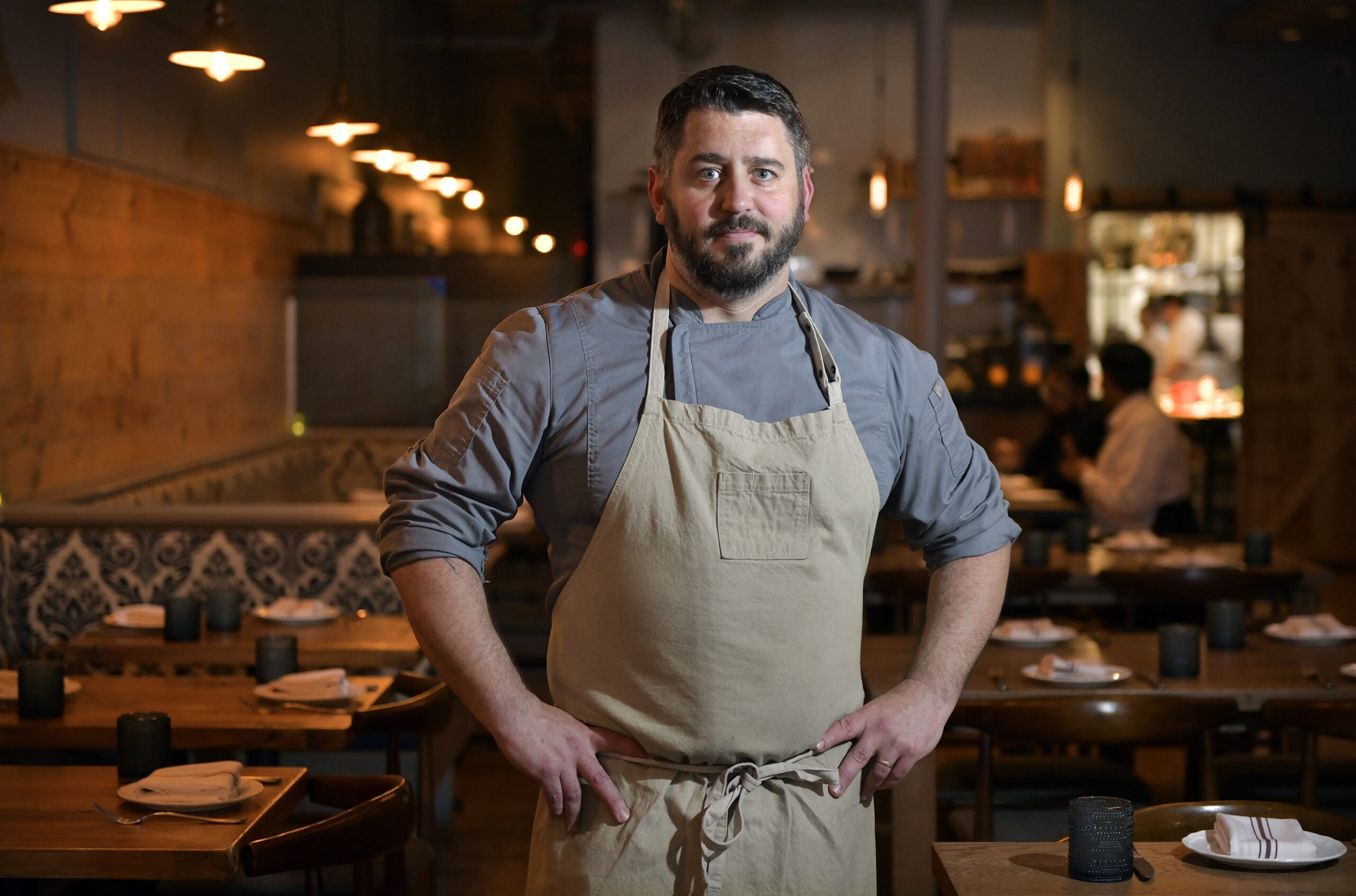
Restaurants can also make the guide without receiving a star or bib gourmand recognition, and to some readers of the guide, that’s still high praise.
“I look at Michelin recommended just like I look at Michelin star restaurants, and almost gravitate to the recommended because they tend to be more affordable,” said Jen Ziskin, executive director of the independent restaurant coalition Mass Restaurants United.
Why Boston now?
The reason Boston finally has a guide coming in 2025 is because Boston, specifically the city’s tourism arm, Meet Boston, paid for Michelin to come. Cambridge’s tourism agency also partnered with Meet Boston to make the guide happen.
Those agencies have yet to confirm what they paid to play, but The Boston Globe’s Shirley Leung reported in May that the amount was over $1 million for a “three-year partnership,” according to a source.
To be fair to Boston, this amount is pretty standard.
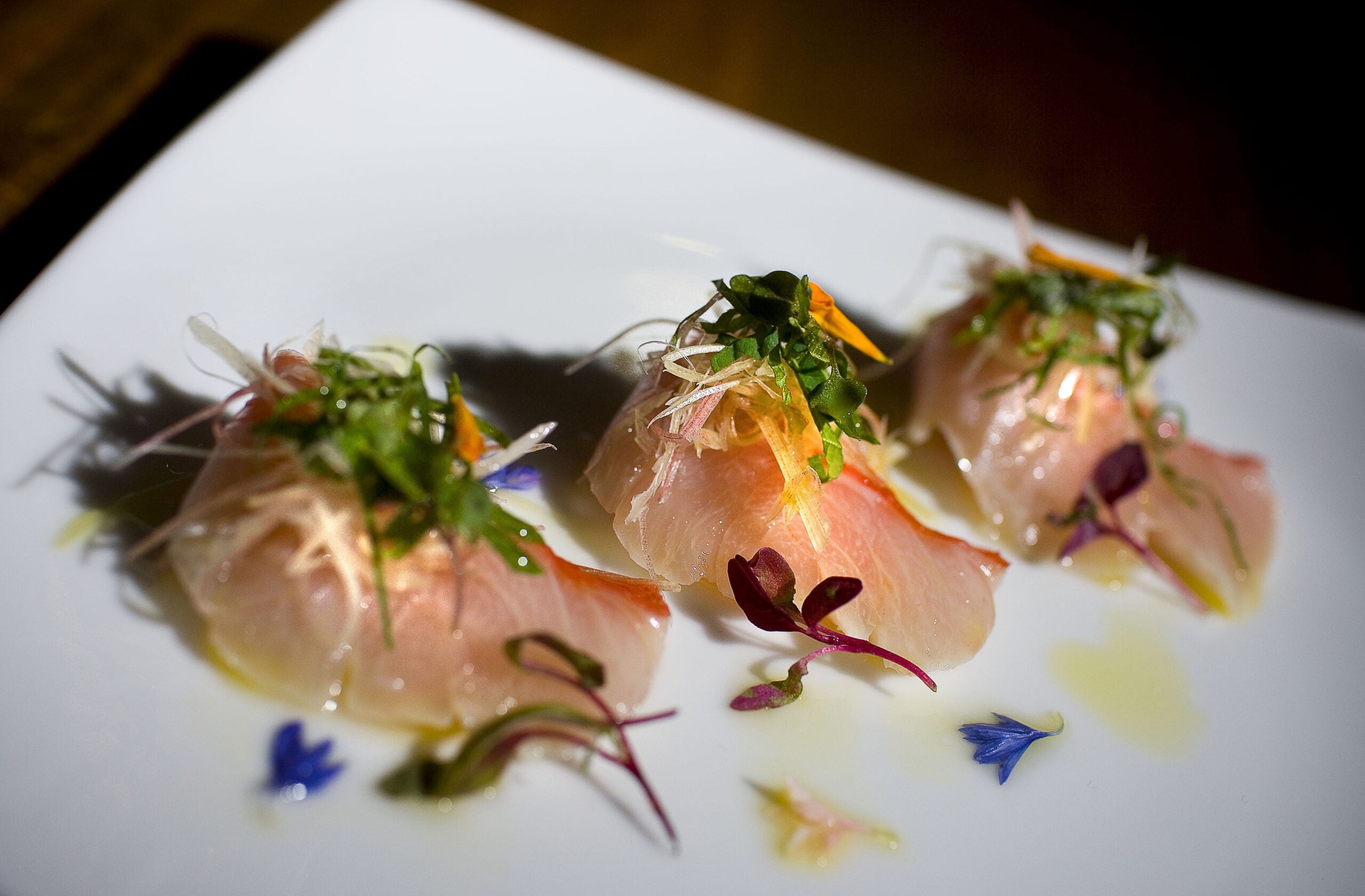
Texas coughed up $2.7 million for Michelin to dine in its cities, according to the Fort Worth Report. South Carolina and Atlanta also pitched in about $1 million each to be in the new American South Michelin Guide, reported the Post & Courier.
Paying that large amount of money doesn’t guarantee that a city gets a star either. The Globe’s Devra First wrote that Boston is likely to grab multiple Bib Gourmand ratings, but star-earning restaurants in other cities tend to be the white table cloth fine dining (though Michelin claims this is a misconception).
The pay-to-play system of Michelin has obviously garnered skepticism and criticism, but for many in the restaurant industry, the Michelin Guide could help, not hurt, Boston’s dining scene.
Aidan McGee, chef at The Dubliner and McGonagle’s who worked in Michelin kitchens in London, pointed to Washington, DC, as an example, which saw its guide debut in 2016.
“Nobody really talked about that food scene, but now they are,” McGee said. “People will fly here if there are really good restaurants, and they’ll try everything. They’re not just going to come in for one [Michelin] meal.”
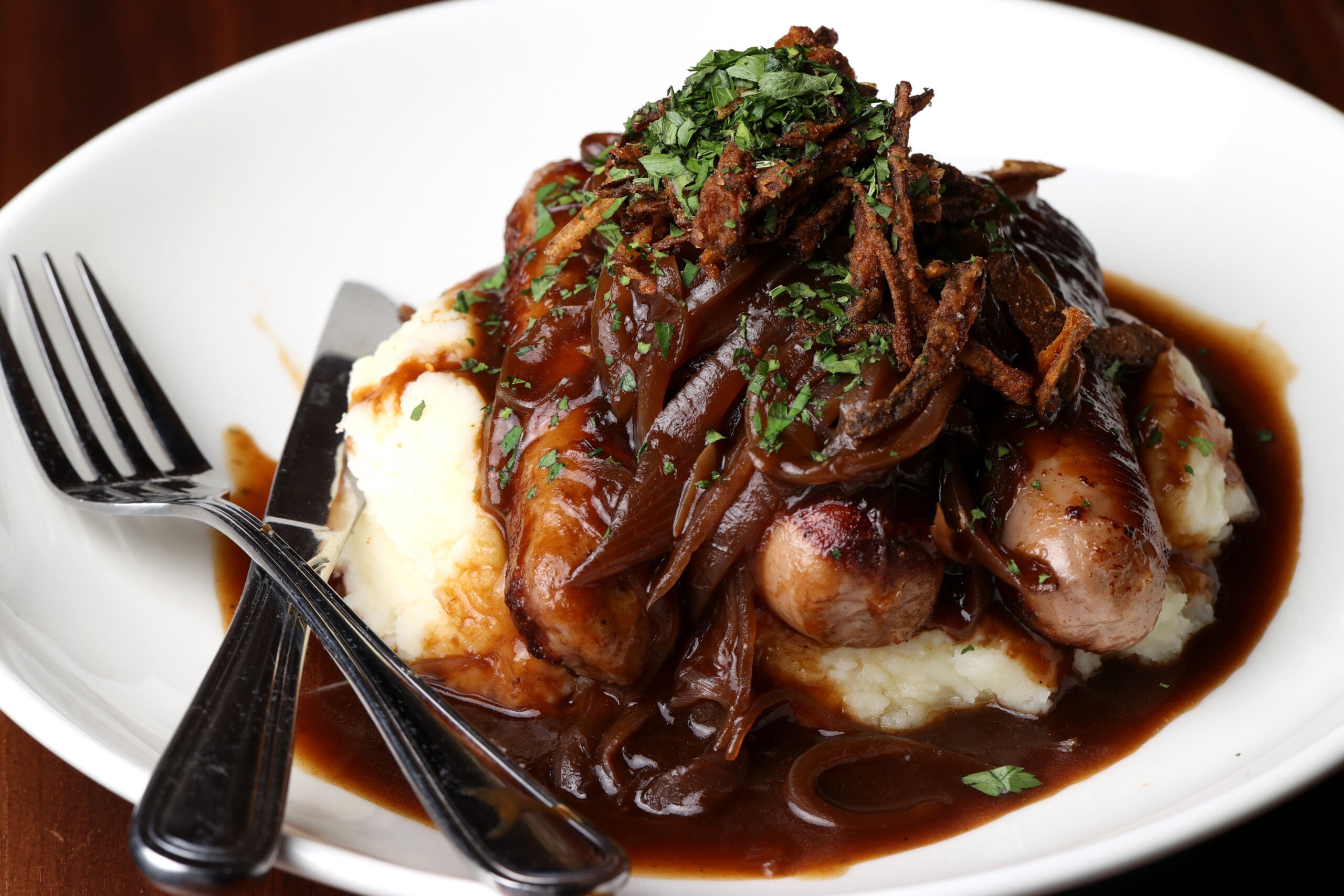
It could also mean good things to come for Boston’s restaurant scene — eateries may improve their menus or talent from elsewhere may be attracted to work in Boston kitchens. Gilson said one of his newest team members, Puritan & Company’s chef de cuisine Joe Nardo, was hired in part “because I want them to be chasing a star.”
Most crucially, it could mean more business for restaurants.
“That money being spent acts as marketing for our industry as a whole in Boston,” Gilson said.
Michelin predictions and hopes
The first announcement of Boston’s own Michelin Guide came in May, so it’s given the city’s foodies plenty of time to share theories.
Food writer First gave her predictions that same month, writing that it’s very unlikely Greater Boston gets two- or three-star recognition.
Her one-star theories included Ostra, a fine-dining seafood restaurant, and O Ya, the acclaimed omakase restaurant.
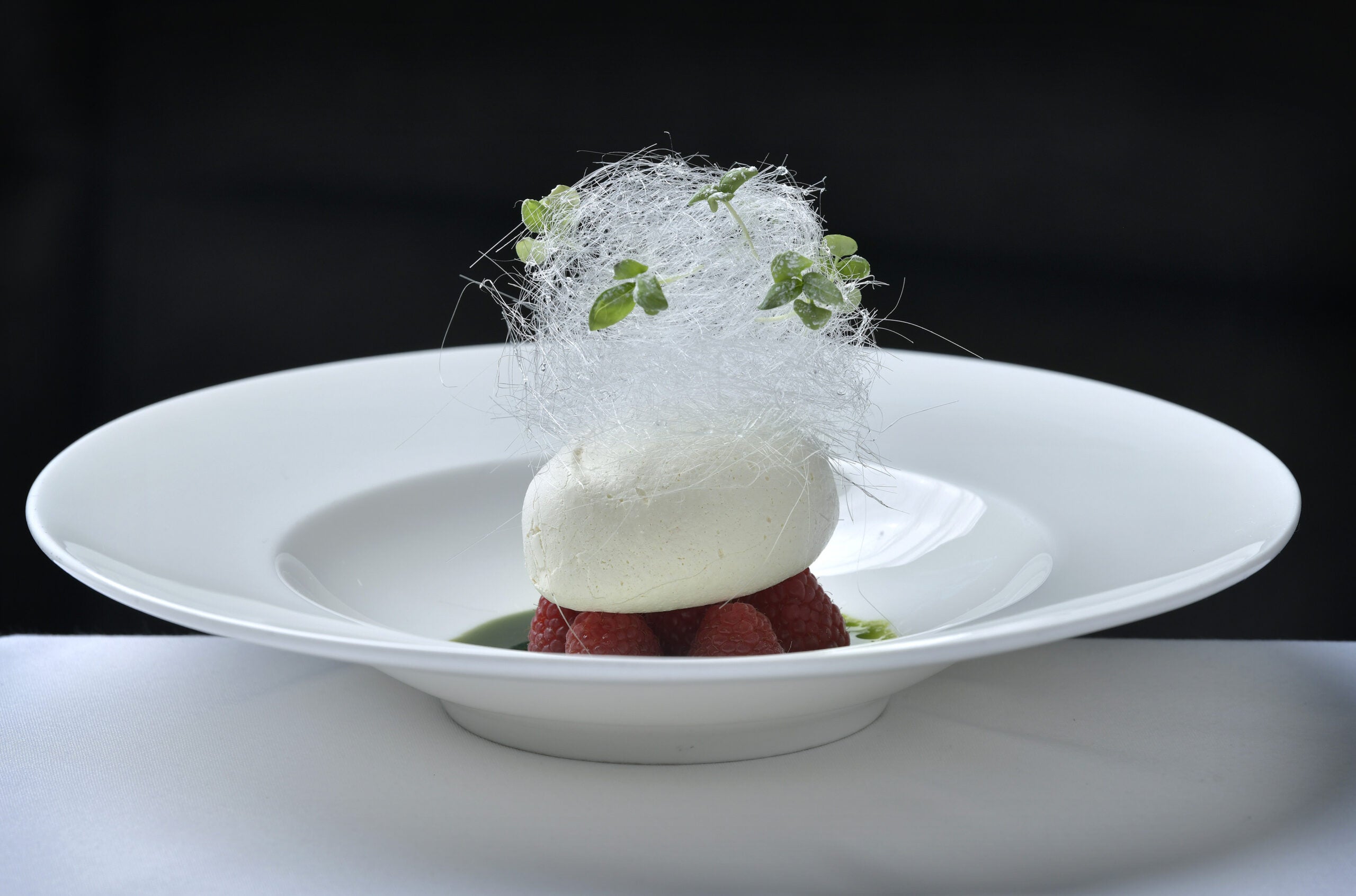
As for bib gourmand, there were multiple predictions: Brassica Kitchen + Cafe, Neptune Oyster, Mahaniyom, and more. Other publications have weighed in, and our readers shared their thoughts, too, giving shoutouts to the hottest spot Sarma, Ostra sibling Mistral, and O Ya, again.
As far as wishes for the guide, Pagu owner and chef Tracy Chang — who also has experience working in a three-star Michelin kitchen in Spain — hopes inspectors find some under-the-radar spots.
“I would hope that guides like Michelin are going to new cities because they want to highlight not just places that have already been written about many times, but that they want to find local gems,” Chang said. “If Michelin wants to get with the times… they need to cover not just white glove, white table cloth types of places.”
Ziskin said she’d also love to see geographic diversity represented in the guide — either now or in the future — though apparently inspectors are keeping their dining boundary to the Interstate 95/Route 128 corridor.
“It’s a little trick for some of the restaurants that aren’t in Boston or Cambridge,” Ziskin said. “They might be on the Cape, and I don’t know how much recognition they will get.”

Sign up for The Dish
Stay up to date on the latest food and drink news from Boston.com.